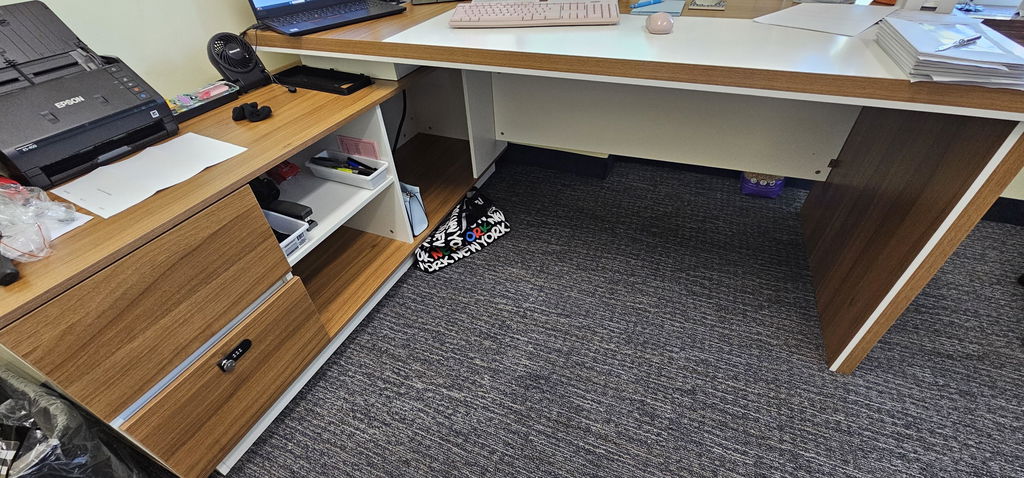
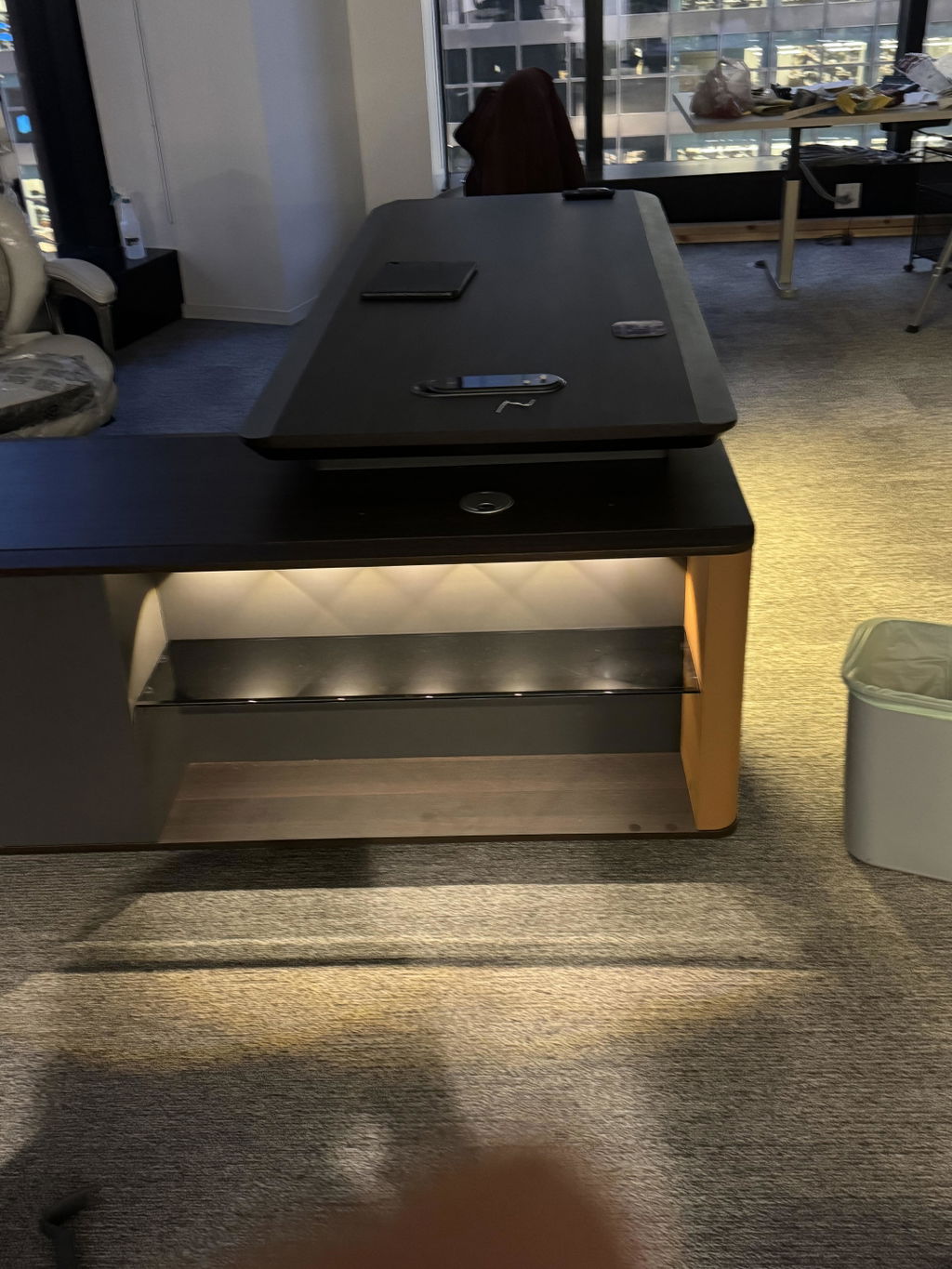
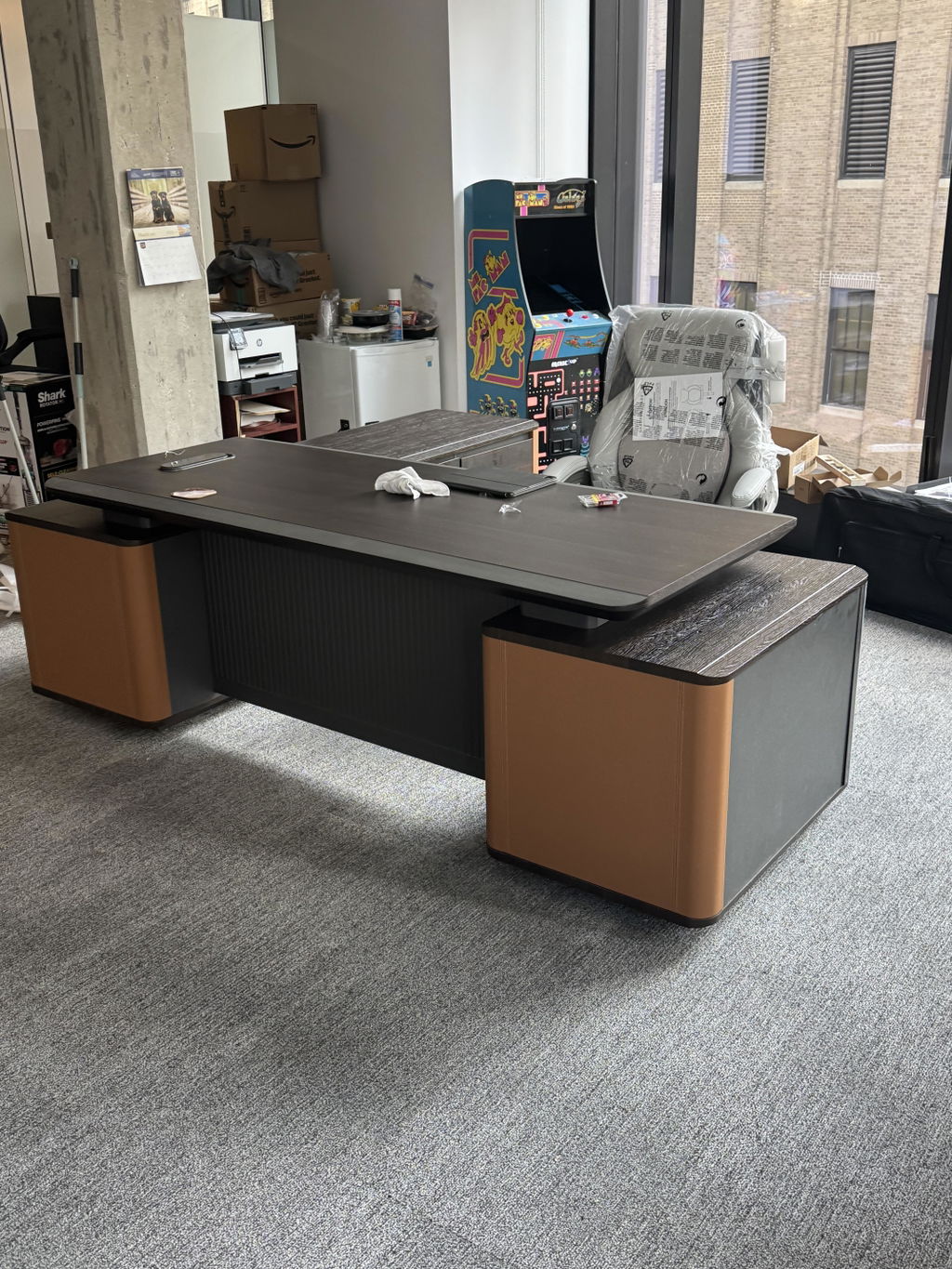
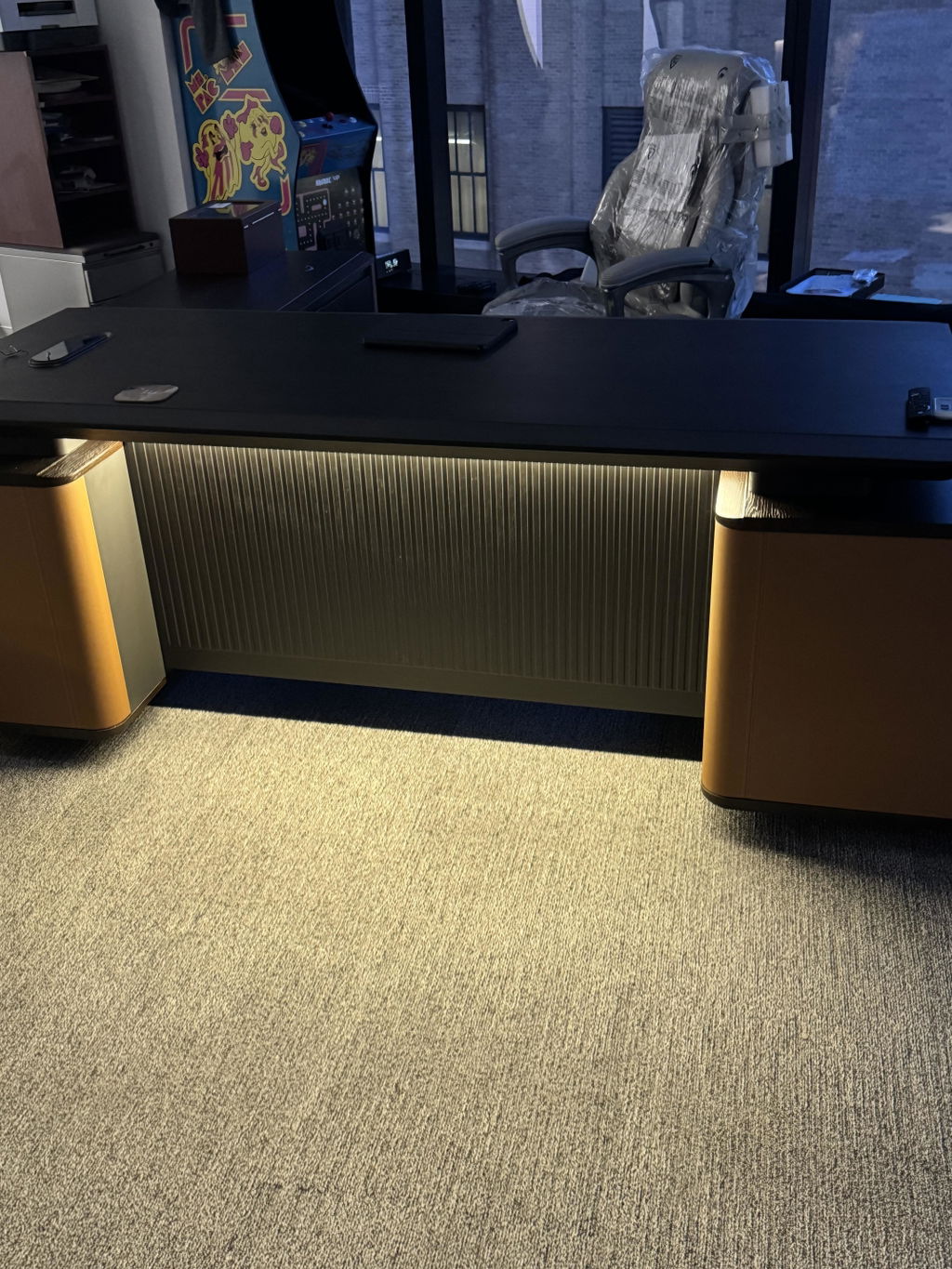
Conference & Boardroom
How to Design a Boardroom That Signals Authority
A boardroom is designed to signal authority through scale, materials, symmetry, and a clear head of the table. How it...
Read more →
Matching Sets
Conference & Boardroom
A conference table's shape sends a message: rectangular signals hierarchy, round equality, boat-shaped clear sightlines, square intimacy. How to match the shape to the meeting.

The shape of a conference table sends a message before anyone speaks. A long rectangle puts someone at the head and signals hierarchy; a round table removes the head and signals equality; a boat shape curves the sides so everyone can see everyone; a square suits small, intimate groups. Choosing the shape is really choosing the kind of meeting you want to run.
It's easy to treat the table as furniture and pick by size alone. But the geometry quietly shapes how people talk to each other, who feels central, who feels sidelined, whether it's a briefing or a discussion. Match the shape to the meeting and the room does some of the facilitating for you.


The rectangle is the default for a reason: it creates a clear head of the table, which focuses attention and signals who's leading. That makes it ideal for board meetings, formal presentations, and any session where direction matters more than debate. The trade-off is that people at the far end can feel distant and sightlines down a long table are poor, so keep the length sensible for the group, our conference table length guide has the numbers.
A round table has no head, which is exactly the point. Everyone sits an equal distance apart with a clear line to every other face, so conversation flows and no single person dominates by position. It suits brainstorms, small-team discussions, and client meetings where you want collaboration to feel mutual. The limit is capacity: past six or eight, a round table grows too wide to talk across comfortably.

The boat shape, wider in the middle and tapered at the ends, is the pragmatic choice for larger rooms. The gentle curve pushes the middle seats back just enough that everyone can see everyone down the length of the table, fixing the rectangle's worst flaw. It keeps a soft sense of a head for the chair while staying more inclusive than a straight rectangle, which is why it's the workhorse of the mid-to-large boardroom.
A square table seats four to six close together with equal footing, like a round table with corners. It's the most intimate option, good for one-on-ones, small working sessions, and huddle rooms. It doesn't scale, but for the small, focused meeting it creates exactly the right closeness.
Work backward from the meeting. Formal and directive, rectangular or boat. Collaborative and equal, round or square. Then size it to the group and the room, keeping the accessible clearances in mind. Arc Grove® builds conference tables in every shape and to custom dimensions, so you can match the geometry to how your team actually meets. Browse conference tables, or plan the room with our ADA conference room guide.
Related articles
Conference & Boardroom
A boardroom is designed to signal authority through scale, materials, symmetry, and a clear head of the table. How it...
Read more →
Conference & Boardroom
A conference table needs about 24 inches of edge per seated person at a minimum, or 30 inches for comfort...
Read more →
Conference & Boardroom
How big should a conference room be? Exact dimensions, per-person clearances, and table and seating recommendations for small, medium, large,...
Read more →