Executive Desks & Offices
Veneer, Solid Wood & Stone: A Guide to Premium Desk Materials
At the executive level, the material makes the desk. What distinguishes wood veneer, solid wood, and stone, and how to...
Read more →
Matching Sets
Executive Desks & Offices
Computer desk vs. executive desk: a side-by-side on size, price, materials, and what each signals — plus how to choose by your work style, space, and budget.

Choose a computer desk if your work is digital and space is tight: 40 to 60 inches wide, $200 to $1,200, built around keyboard trays and cable management. Choose an executive desk if you review documents, meet clients at your desk, or want presence: 60 to 72 inches wide, $800 to $5,000+, in premium materials built to last decades.
The choice between a computer desk and an executive desk shapes how you work every day. Computer desks keep technology front and center with practical features; executive desks command attention with presence and expansive surfaces. The good news: you do not have to guess. Here is how they compare, and how to pick.

Computer desk vs. executive desk
| Factor | Computer desk | Executive desk |
|---|---|---|
| Width | 40–60 in | 60–72 in |
| Price | $200–1,200 | $800–5,000+ |
| Materials | Engineered wood, laminate, metal | Solid wood, premium finishes, soft-close drawers |
| Built for | Technology, digital work, compact spaces | Leadership, document review, client-facing roles |
| Room minimum | 8 × 8 ft, 3 ft clearance behind | 12 × 12 ft, 4 ft clearance behind |
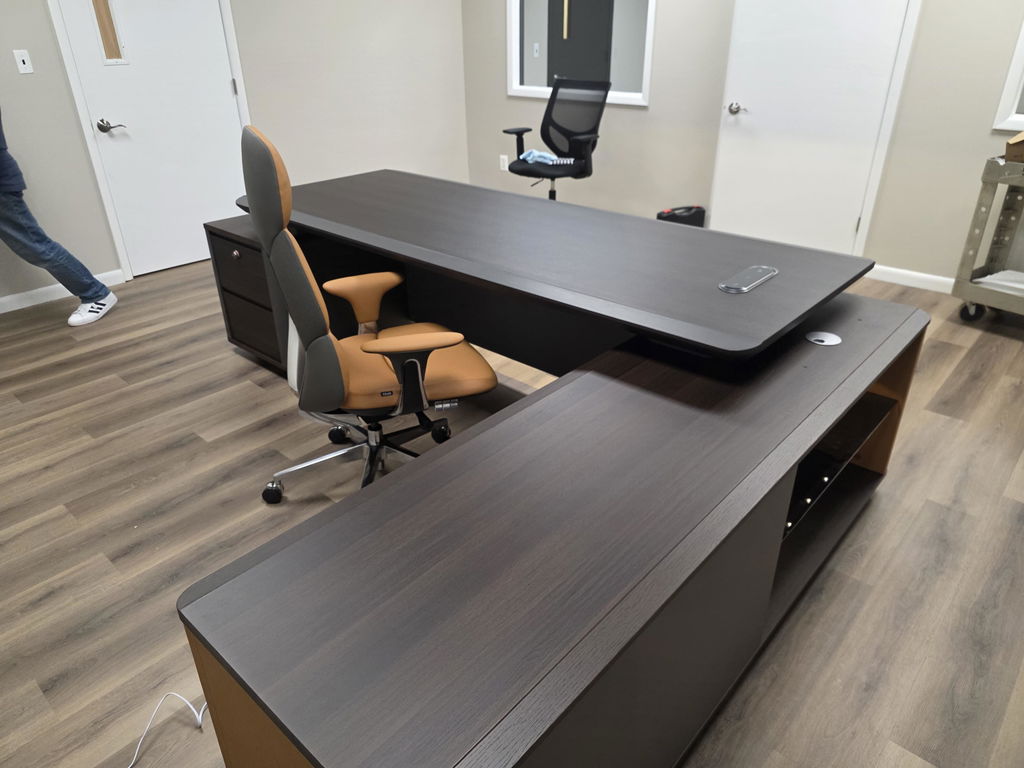
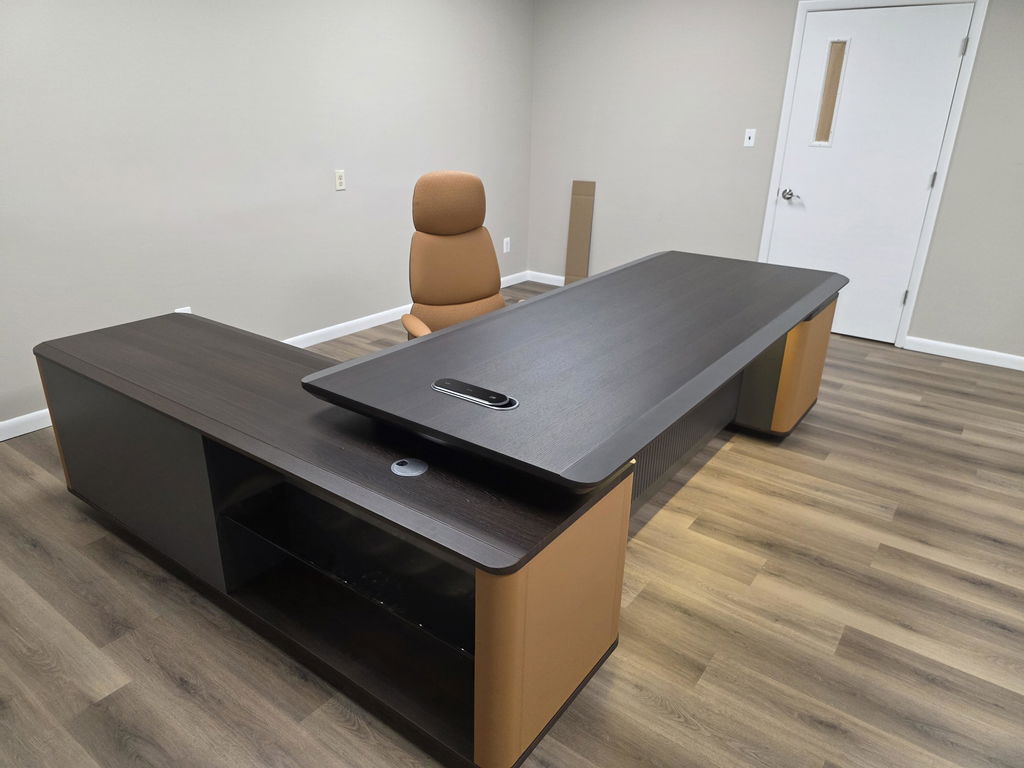
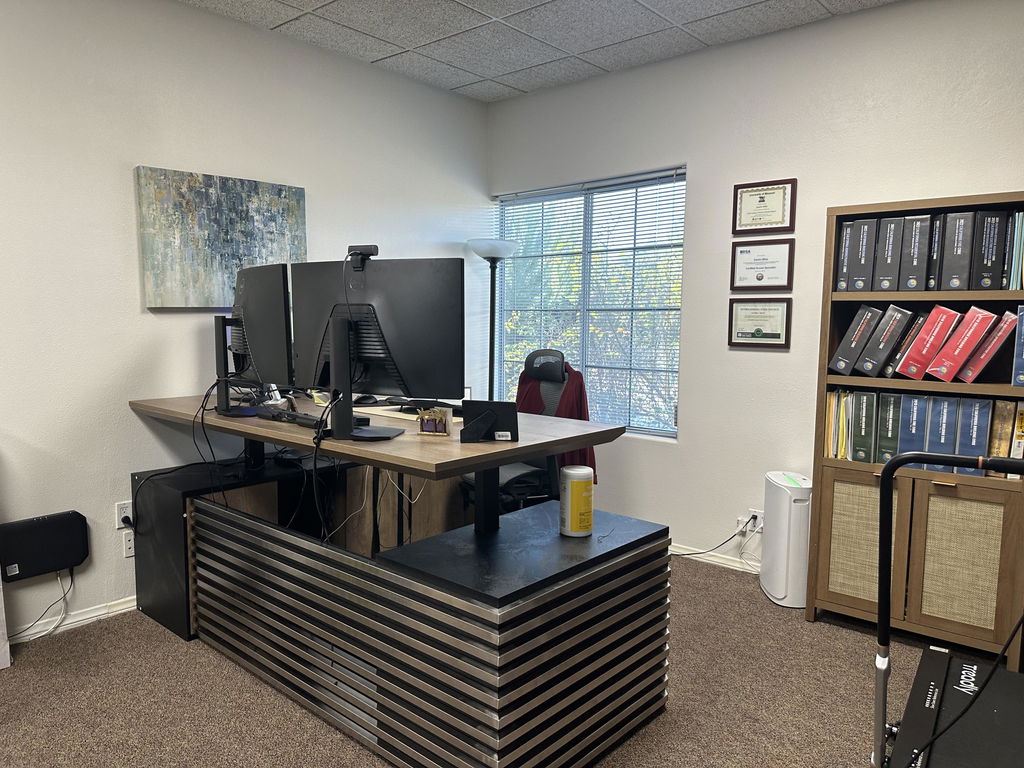
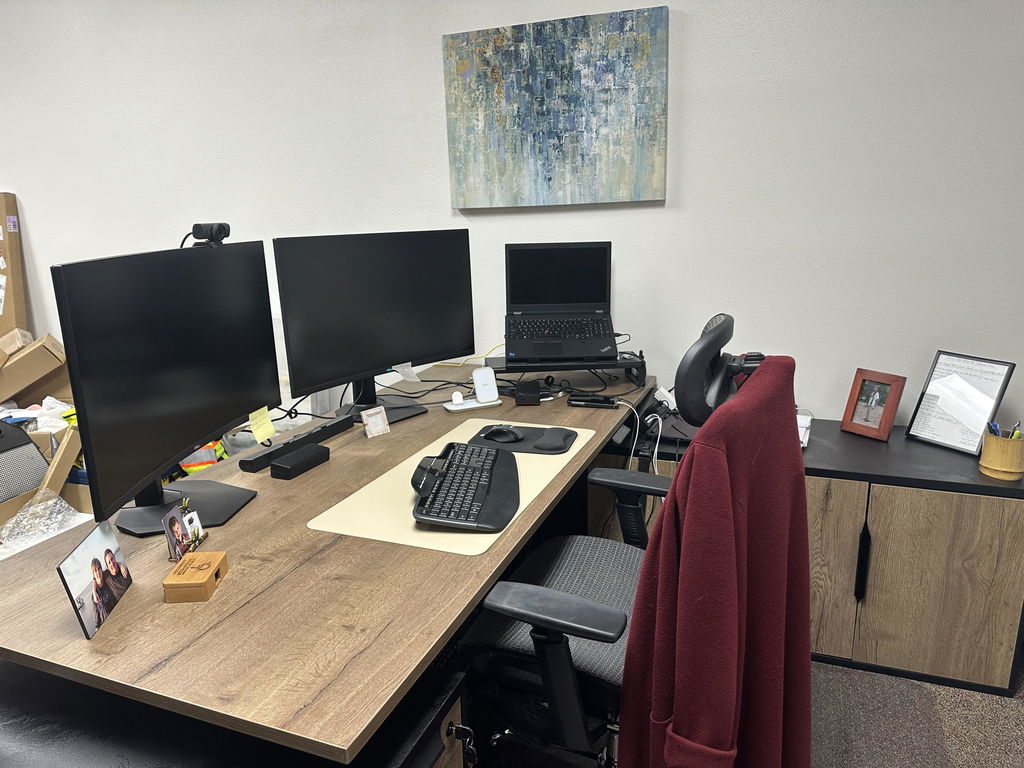
Size and function: computer desks offer compact efficiency built for technology — keyboard trays, CPU compartments, cable management. Executive desks add presence and deeper surfaces that handle document review and small meetings at the desk. Materials and price: computer desks favor affordability and practicality; executive desks use premium materials and craftsmanship that extend their lifespan from years to decades. The message: a computer desk projects efficiency and technical focus; an executive desk signals authority. Before choosing, measure your space, accounting for chair movement, door clearance, and traffic flow.

A computer desk is the right call when technology is the center of your work. The advantages are practical:
An executive desk earns its footprint when the room hosts visitors as well as work. Specific models by budget are in the best executive desks roundup.

An executive desk earns its footprint when presence and surface area matter:
Assess your daily work honestly. Do you work primarily digitally or with physical materials? How many devices need accommodating? Will clients regularly see your workspace? Then weigh three things:
Your desk reflects both how you work and the image you project. Computer desks deliver practical technology integration in compact spaces; executive desks make a statement with spacious surfaces and premium materials. Explore the executive desk collection, from compact to grand designs, or have one built to your space and finish.
Related articles
Executive Desks & Offices
At the executive level, the material makes the desk. What distinguishes wood veneer, solid wood, and stone, and how to...
Read more →
Executive Desks & Offices
With more than 150 finishes to choose from, the way to a coordinated office is a simple sequence: pick one...
Read more →
Executive Desks & Offices
A home executive office should be as considered as the one at headquarters. How to design a serious, presence-carrying space...
Read more →