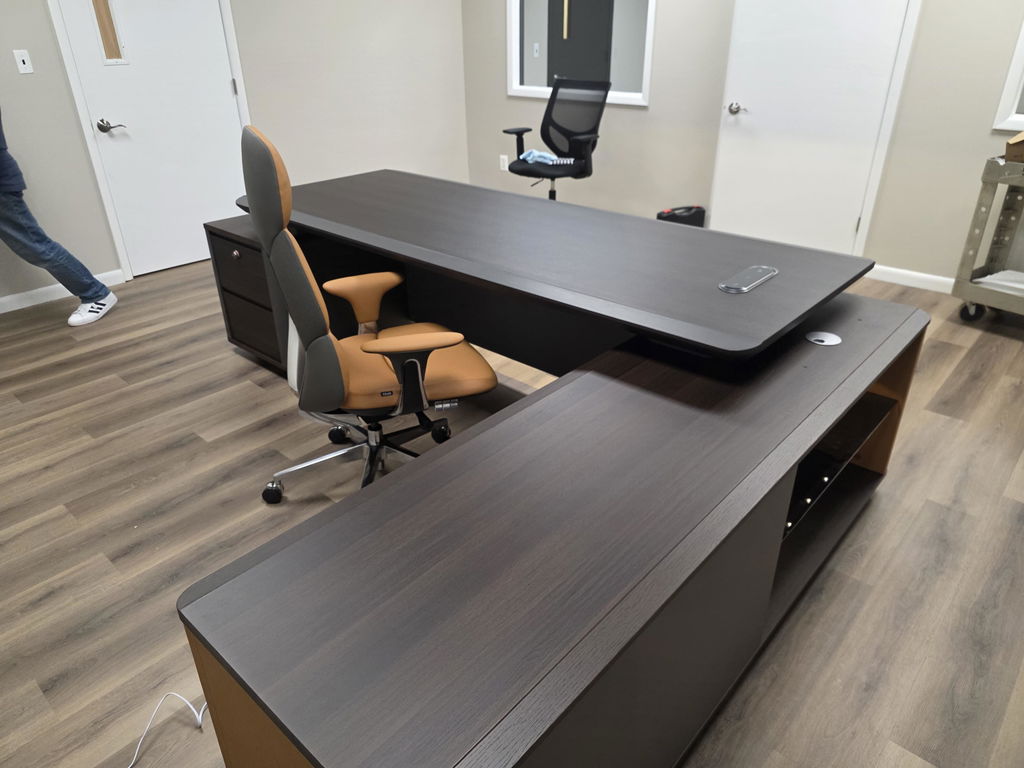
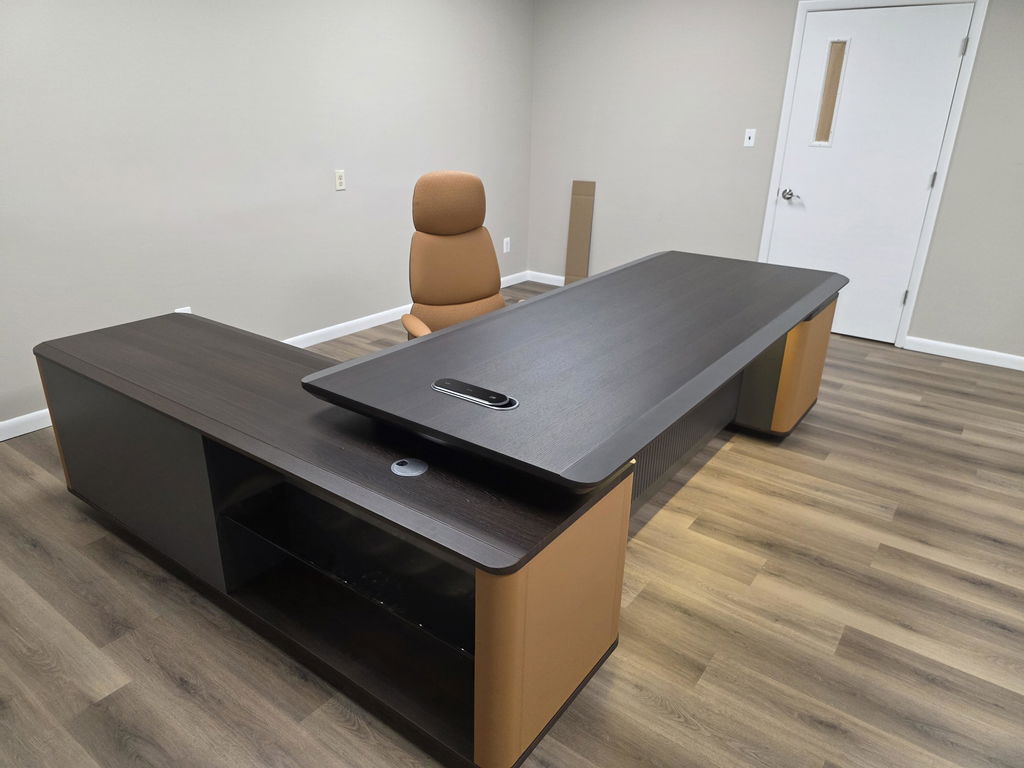
Executive Desks & Offices
Table vs. Desk: Choosing the Perfect Workspace Solution
Table vs. desk: a side-by-side on purpose, design, ergonomics, placement, and cost — so you can choose the right surface...
Read more →
Space Planning & Buying
What is a home office deduction calculator? How the IRS simplified ($5/sq ft, $1,500 max) and standard methods work, what qualifies, and how to keep records — plus when each saves more.

A home office deduction calculator helps remote and self-employed workers find a tax break. The IRS allows either the simplified method ($5 per square foot, up to 300 square feet, for a $1,500 maximum) or the standard method, a percentage of housing expenses based on your workspace. Even a dedicated desk corner qualifies if it is used exclusively for business.
If you work from home, the home office deduction can lower your taxes, and a calculator takes the guesswork out of which method saves more. Here is how the two methods work, what qualifies, and how to keep the records that protect your claim.
This article is general information, not tax advice. Tax rules and figures change, confirm current eligibility and amounts with the IRS or a qualified tax professional before filing.
IRS — Home Office Deduction
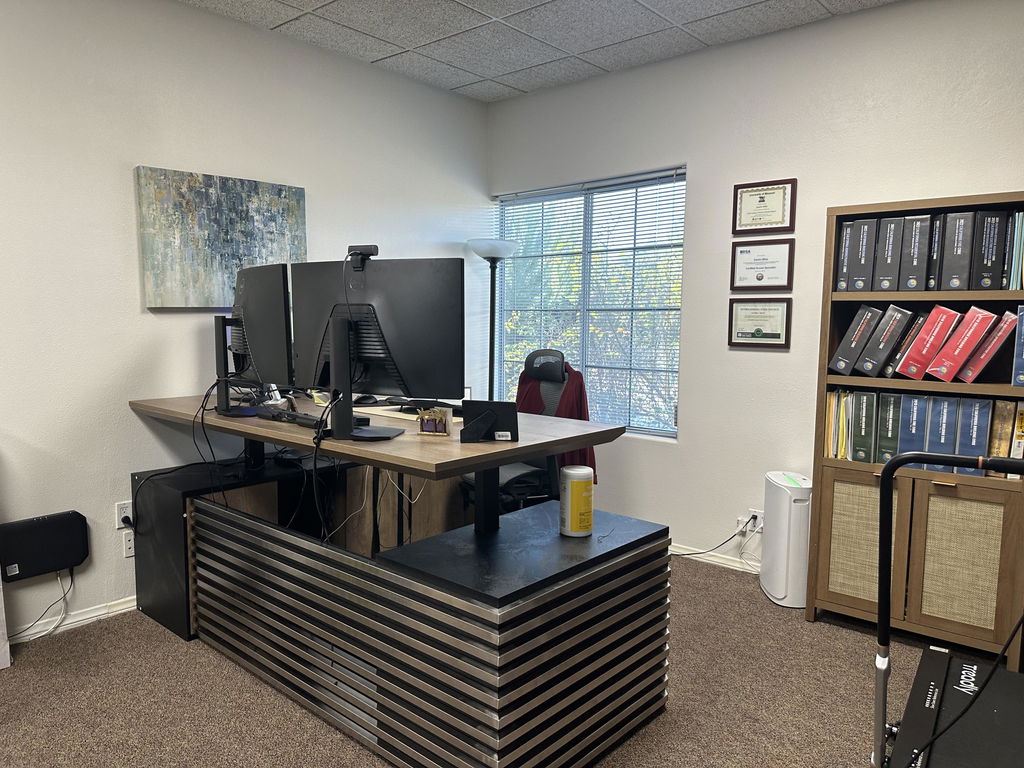
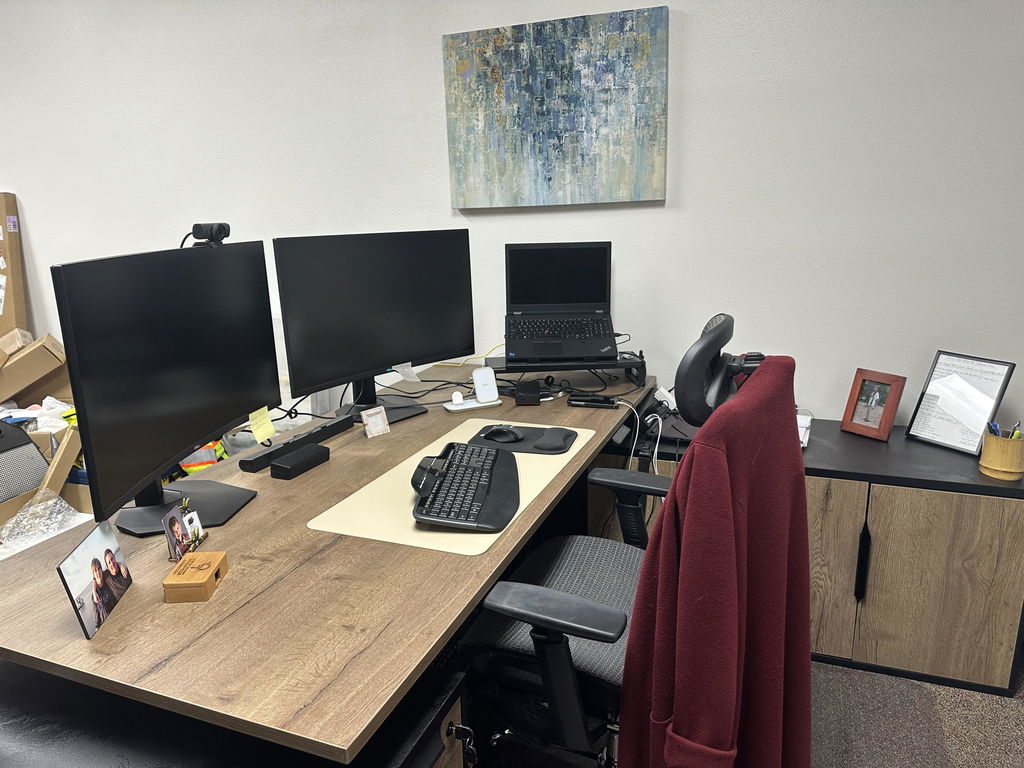
The space has to be used regularly and exclusively for business. Furnishing it starts with choosing the ideal desk for your home office.
Your home office must be used regularly and exclusively for business: a whole room or a clearly defined part of one, not a space that doubles as a guest room. It also has to be your principal place of business or a place where you regularly meet clients. Under current law, the deduction is generally available to self-employed people (claimed on Schedule C); the 2017 Tax Cuts and Jobs Act suspended it for most employees, so check current IRS guidance for your tax year.
Simplified vs. standard method
| Factor | Simplified | Standard (regular) |
|---|---|---|
| Rate | $5 per sq ft, up to 300 sq ft | Business-use % of actual expenses |
| Maximum | $1,500 | No fixed limit (capped at business income) |
| Records | None needed | Detailed receipts, Form 8829 |
| Depreciation | None | Yes (may be recaptured when you sell) |
| Best for | Small office, few home expenses | Large office, high home costs |
You can switch methods from year to year, calculating both and comparing is the simplest way to find the larger deduction.

The simplified method uses a flat $5 per square foot: no receipts for utilities, mortgage interest, or maintenance. Just measure the workspace: a 100-square-foot office is a $500 deduction, 150 square feet is $750. The IRS caps it at 300 square feet, so the maximum is $1,500 a year. If your office is larger, you can still use this method but only count up to 300 square feet.

The standard method deducts a percentage of your actual home expenses: more tracking, but often a larger deduction. Find your business percentage by dividing your office area by your total home area: a 144-square-foot office in a 2,200-square-foot home is 6.5%. You then claim that percentage of indirect expenses on Form 8829:
Direct expenses that benefit only the office (like painting the office walls) are 100% deductible, while indirect expenses are deducted at the business percentage: so $3,000 of annual utilities at 6.5% is a $195 deduction. You can also depreciate the business portion of the home, and the cost of office furniture and equipment used for the business may be deductible or depreciable. The standard method tends to win when the office is large or home costs are high.
Keep receipts for furniture and equipment as well as the space itself. What is worth buying is covered in home office upgrades.
Good records protect the deduction. Keep all expense documentation (mortgage or rent, utilities, repairs, and receipts) and measure both the office and total home square footage accurately. Photos of the setup and a log of business use help prove the “regular and exclusive” requirement. Because the deduction can draw IRS attention, keep a dedicated, monthly-updated folder, be truthful about the space you claim, and back up records in more than one place.
A home office deduction calculator shows whether the simple $5-per-square-foot method or tracking your real costs saves more, enter your office size and home expenses and compare. Keep good records, confirm current rules with the IRS or a tax professional, and outfit the space to earn its keep: explore Arc Grove®’s executive desks, or have one built to your home office.
Related articles
Executive Desks & Offices
Table vs. desk: a side-by-side on purpose, design, ergonomics, placement, and cost — so you can choose the right surface...
Read more →
Conference & Boardroom
The best conference room tables for productive meetings: recommendations by size (small, medium, boardroom), the materials that matter, key power...
Read more →
Executive Desks & Offices
The best executive desks, by type and budget: wood, glass-and-metal, L-shaped, and sit-stand — plus the size, storage, materials, and...
Read more →