Executive Desks & Offices
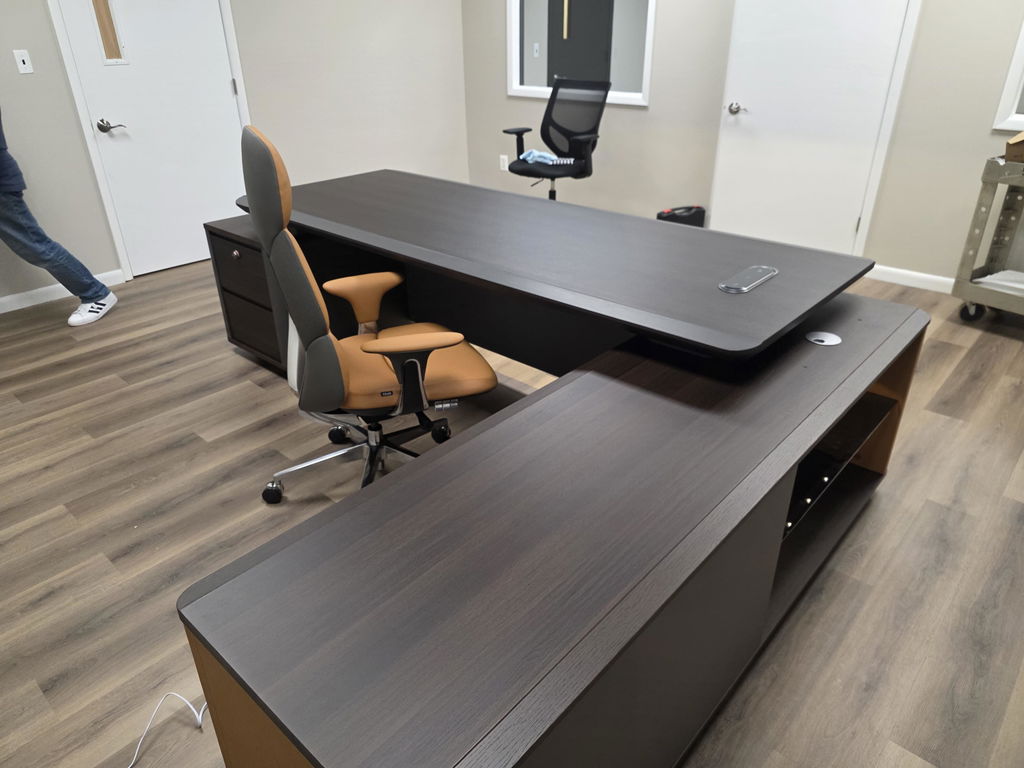
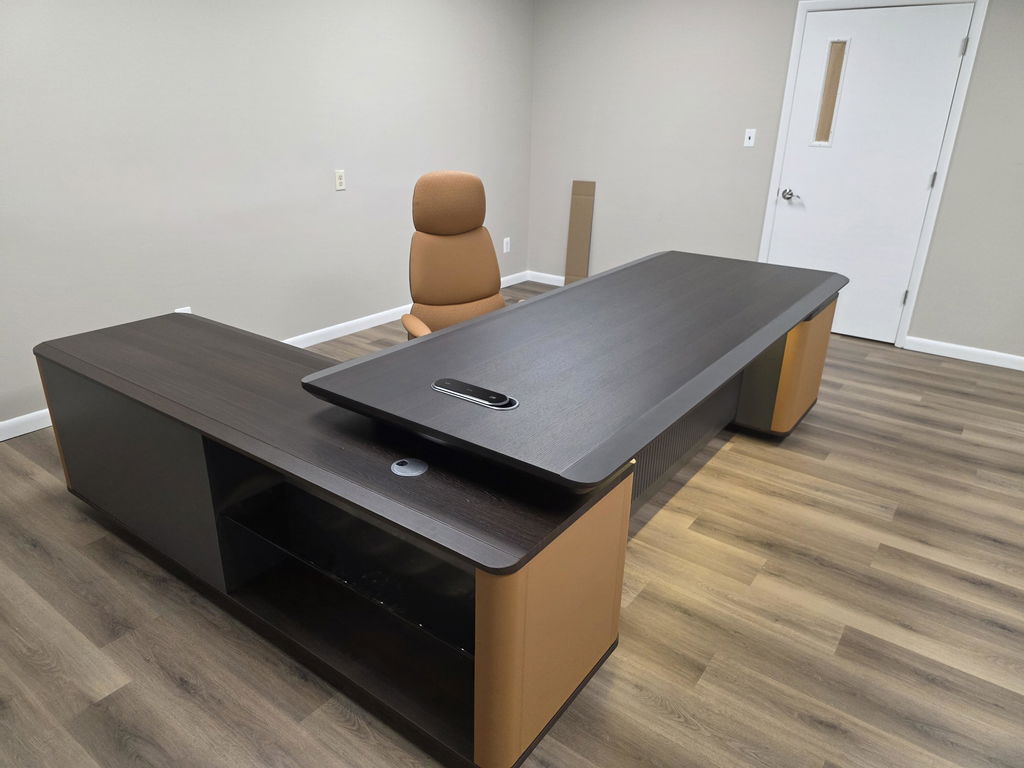
Best Executive Desks for Your Home Office in 2026
The best executive desks, by type and budget: wood, glass-and-metal, L-shaped, and sit-stand — plus the size, storage, materials, and...
Read more →
Executive Desks & Offices
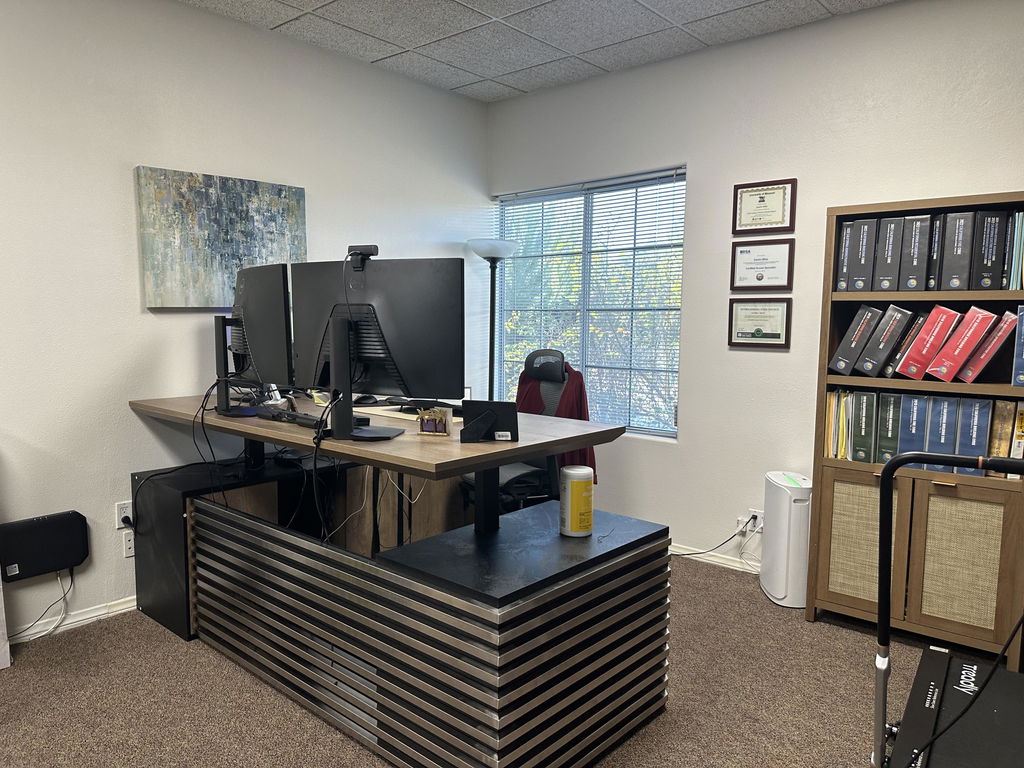
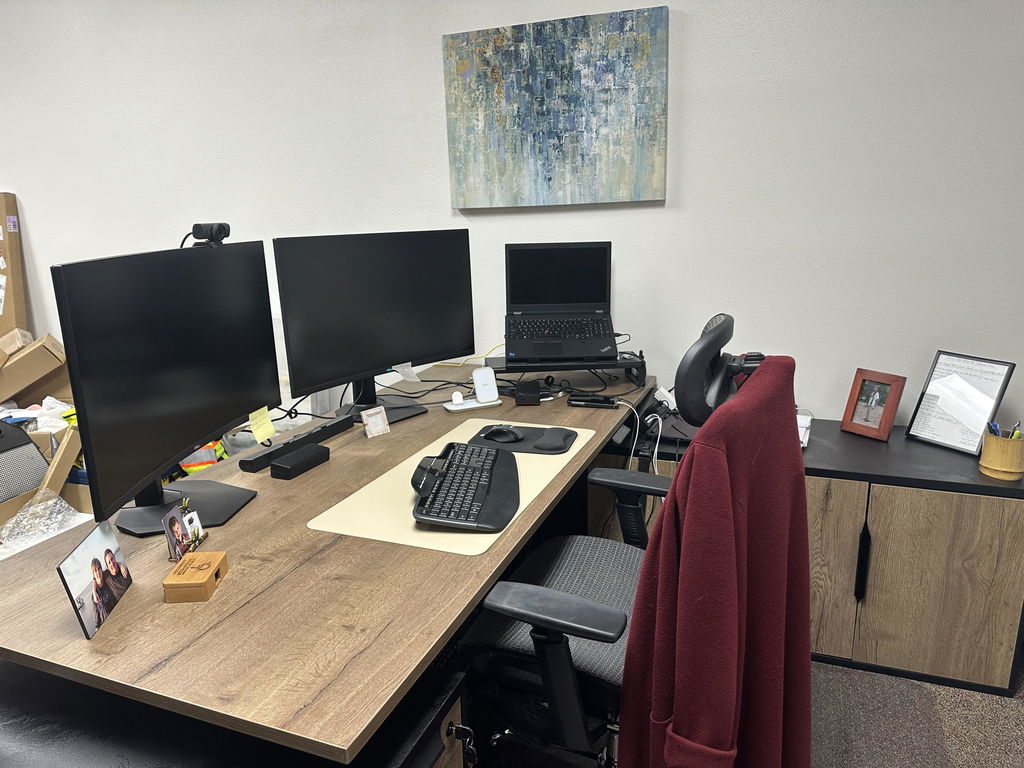
Table vs. desk: a side-by-side on purpose, design, ergonomics, placement, and cost — so you can choose the right surface for focused work or collaboration.

A desk is a specialized table built for work: drawers, cable management, and an ergonomic height for one person. A table is open and versatile, for dining, meetings, or display. Choose a desk for focused individual work and storage; choose a table for collaboration, flexibility, and multiple people.
Though the terms are often used interchangeably, a desk and a table serve different purposes, and knowing the difference helps you choose the right piece for your home or office. Here is how they compare across purpose, design, ergonomics, and cost.
Desk vs. table
| Factor | Desk | Table |
|---|---|---|
| Purpose | Individual, focused work | Collaboration, dining, multi-use |
| Features | Drawers, cable management, ergonomic height | Open surface, minimal storage |
| Best for | One person, computer work, privacy | Meetings, brainstorming, groups |
| Ergonomics | Height-adjustable, wrist support, task lighting | Needs add-on chair, cushion, or wrist support |
| Height | 29–30 in (lower for typing) | 29–30 in |
A table built for meetings is specified differently again, which the conference table buyer's guide covers in full.

Tables are versatile, built for collaborative and multi-purpose use: dining rooms, conference areas, and shared spaces. Their generous open surface suits dining and entertaining, games and planning sessions, and team projects where everyone gathers around to contribute equally.

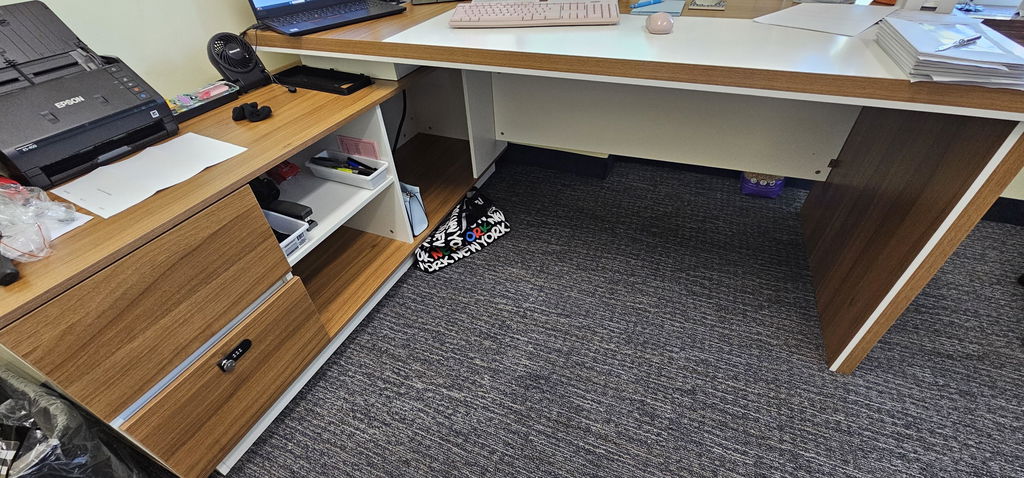
A desk is a personal command center for individual productivity: reading, writing, computer work, and private calls. Designed for one person, it minimizes distraction, and its specialized features (drawers, cable management, ergonomic height) support comfort through long work sessions while marking a defined personal workspace.
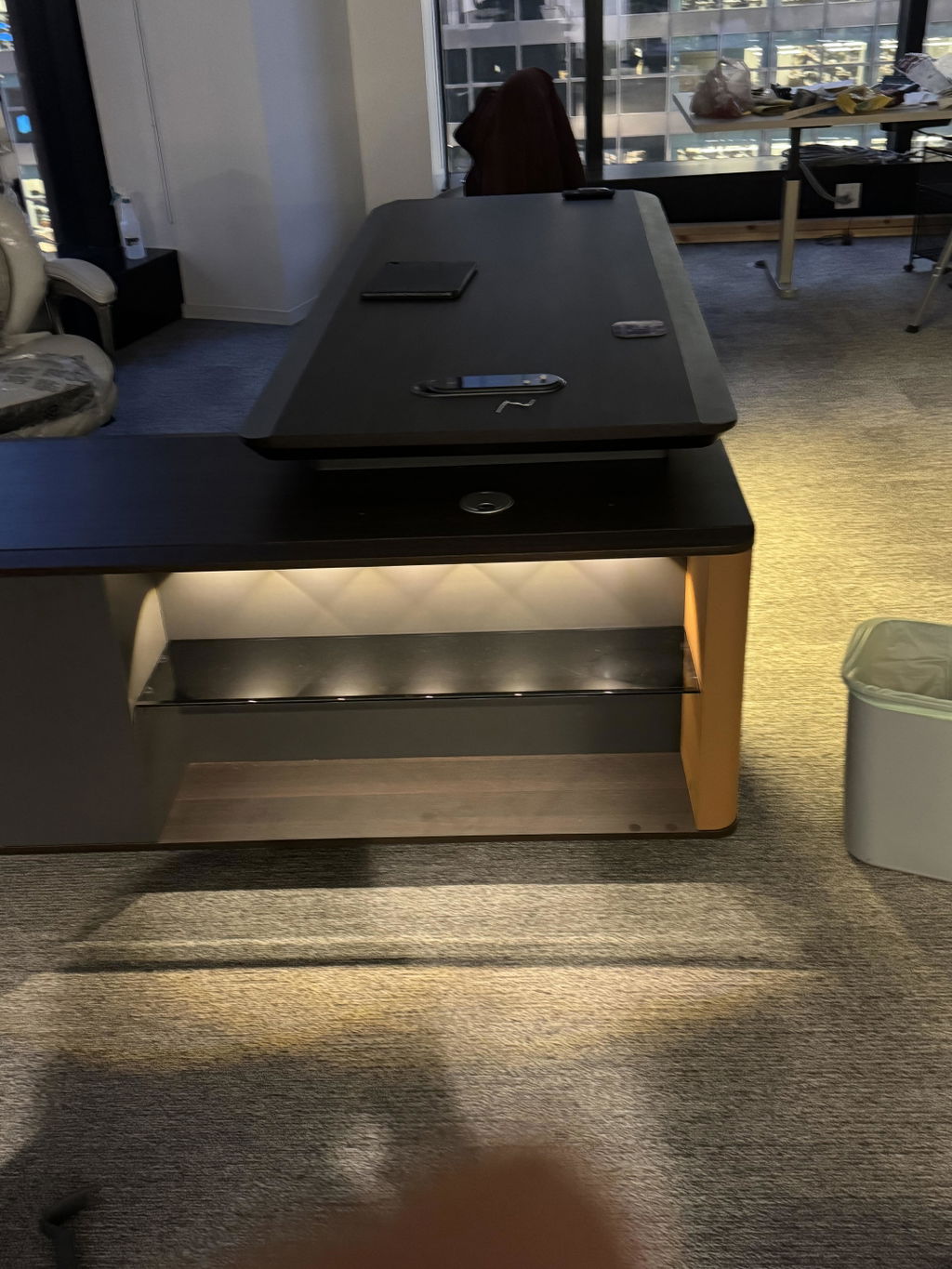
Tables keep a simple structure (a flat surface on legs, often minimalist) with generous area for many activities. Desks are built for productivity: more complex designs with integrated storage, ergonomic heights for typing, and add-ons like drawers, hidden compartments, built-in power and USB, and adjustable task lighting. Tables, while versatile, typically lack these task-specific features.
Where you place each piece changes how a room works. Tables shine as centerpieces in meeting spaces (positioned so everyone can see one another and the display) and in dining areas; allow about 36 inches of clearance for traffic, and place them near windows for natural light. Desks work best facing the door with a solid wall behind for command of the room, set perpendicular to windows to cut glare. A desk can also define a zone in an open-plan space without walls.
Desks offer real ergonomic advantages (height adjustability, standing options, wrist supports, and task lighting) that support posture during extended work. Tables, being multi-purpose, present challenges: working at one often means adding an adjustable chair, a cushion for height, an external wrist support, or a document holder.
For computer work, set the surface so forearms rest parallel to the floor with elbows near 90 degrees and wrists neutral, and place the monitor top at or just below eye level, which often means a typing surface lower than a standard 29-to-30-inch table.
OSHA — Computer Workstations eTool, neutral posture
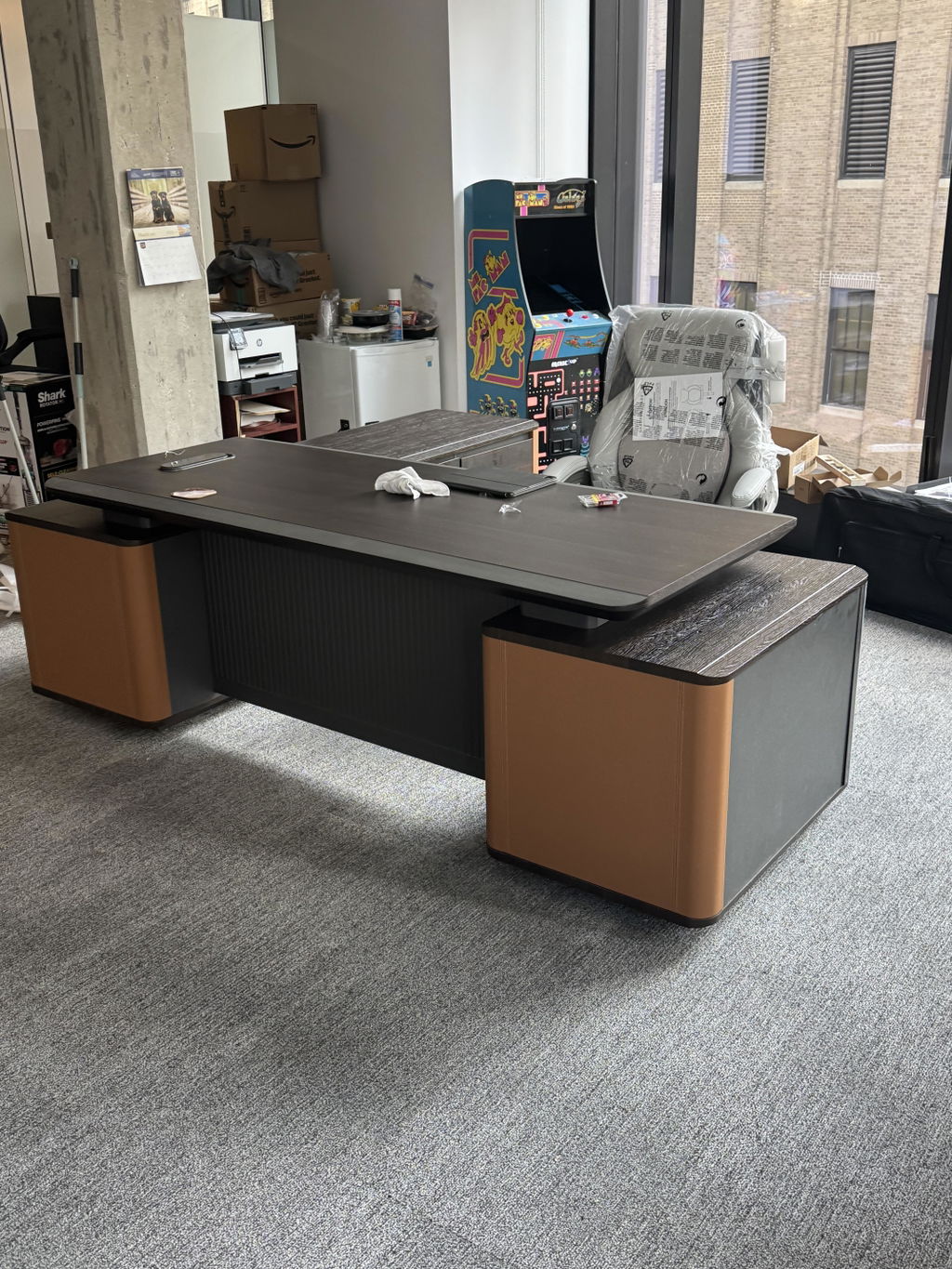
Each piece sets a different tone. A table offers versatile design: shapes, materials, and finishes that complement decor, glass for modern or wood for traditional, and anchors conversation areas or displays curated objects. A desk projects productivity and purpose: glass reads transparent and modern, wood traditional and permanent, metal industrial. Position and accent lighting shape its presence, and the right desk communicates your professional identity.

Desks add storage beneath the surface and keep documents within reach for focused individual work; tables excel in collaborative, multipurpose settings and offer folding options for flexibility. Cost varies with material (solid wood and glass cost more; laminate saves) and features (built-in storage, cable management, and height adjustment all add to a desk’s price). A dining table can double as a desk for a dual-purpose space, and custom pieces command more but align perfectly with specific needs.
If the answer is a desk, the executive tier is covered in the best executive desks roundup.
Tables work best for meetings and dining; desks excel at focused work with their storage and ergonomic features. Choose by your needs, space, and style. Explore the executive desks collection, or have a desk built to your space and finish.
Related articles
Executive Desks & Offices
The best executive desks, by type and budget: wood, glass-and-metal, L-shaped, and sit-stand — plus the size, storage, materials, and...
Read more →
Space Planning & Buying
What is a home office deduction calculator? How the IRS simplified ($5/sq ft, $1,500 max) and standard methods work, what...
Read more →
Conference & Boardroom
The best conference room tables for productive meetings: recommendations by size (small, medium, boardroom), the materials that matter, key power...
Read more →