Workstations & Cubicles
How to Design a Workstation Area People Actually Like
A workstation area people like balances space, privacy, and daylight. How to design an open-plan floor that supports both focus...
Read more →
Workstations & Cubicles
The five main types of office cubicles — standard, L-shaped, U-shaped, adjustable-height, and corner — compared by privacy, work surface, and footprint, with how to choose for your layout.

Office cubicles come in five common types: standard panel-based systems (the adjustable corporate staple), L-shaped (dual surfaces for multitaskers), U-shaped (maximum enclosed surface for intensive work), adjustable-height (sit-stand ergonomics), and corner (a space-saving single surface). The right one depends on your balance of privacy, collaboration, and floor space.
Understanding the different types of cubicles is essential to a productive workspace. From traditional high-walled setups to open-plan solutions, each style serves a purpose — enhancing focus, encouraging collaboration, or reflecting your brand. Choosing the right layout for your workstations drives employee comfort and productivity, whether you are setting up a new office or upgrading an existing one.
Office cubicles, often called workstations, are defined sections within an office that give each employee their own area while staying part of a shared environment. Partitions create a balance between privacy and collaboration. Their key features:
Cubicle types at a glance
| Type | Key benefit | Best for |
|---|---|---|
| Standard (panel-based) | Cost-effective, adjustable privacy | Teams needing focus and communication |
| L-shaped | Dual work surfaces, more storage | Managers, analysts, multitaskers |
| U-shaped | Maximum surface, enclosed focus | Executives and technical roles |
| Adjustable-height | Sit-stand ergonomics | Long-hours desk work |
| Corner | Space-saving footprint | Small offices, flexible spaces |

A corporate staple. Modular panels allow customizable heights and layouts, balancing privacy with collaboration. Benefits: cost-effective and adaptable, with personal workspace and sound barriers. Best for: teams that need both focus and communication.

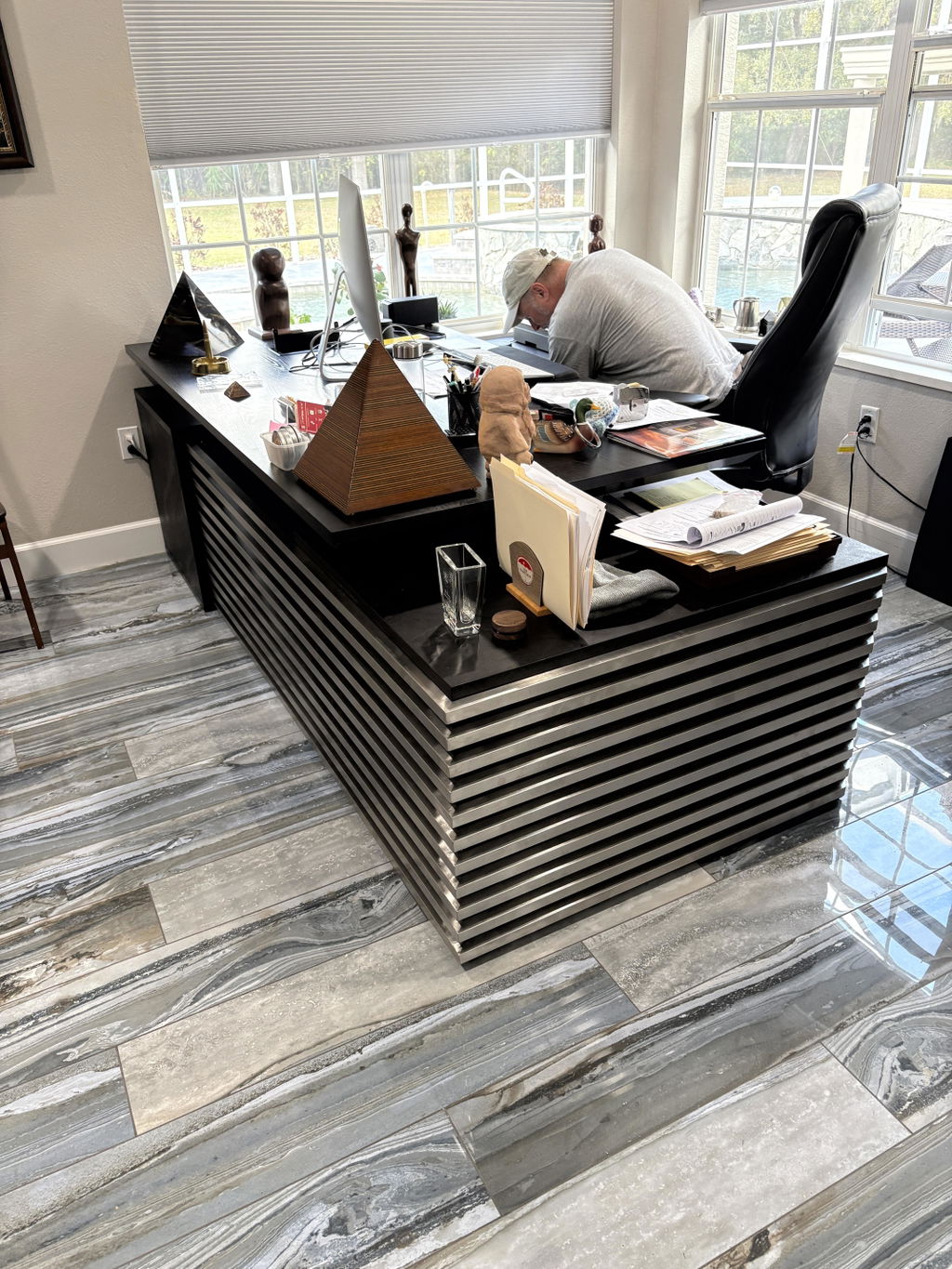
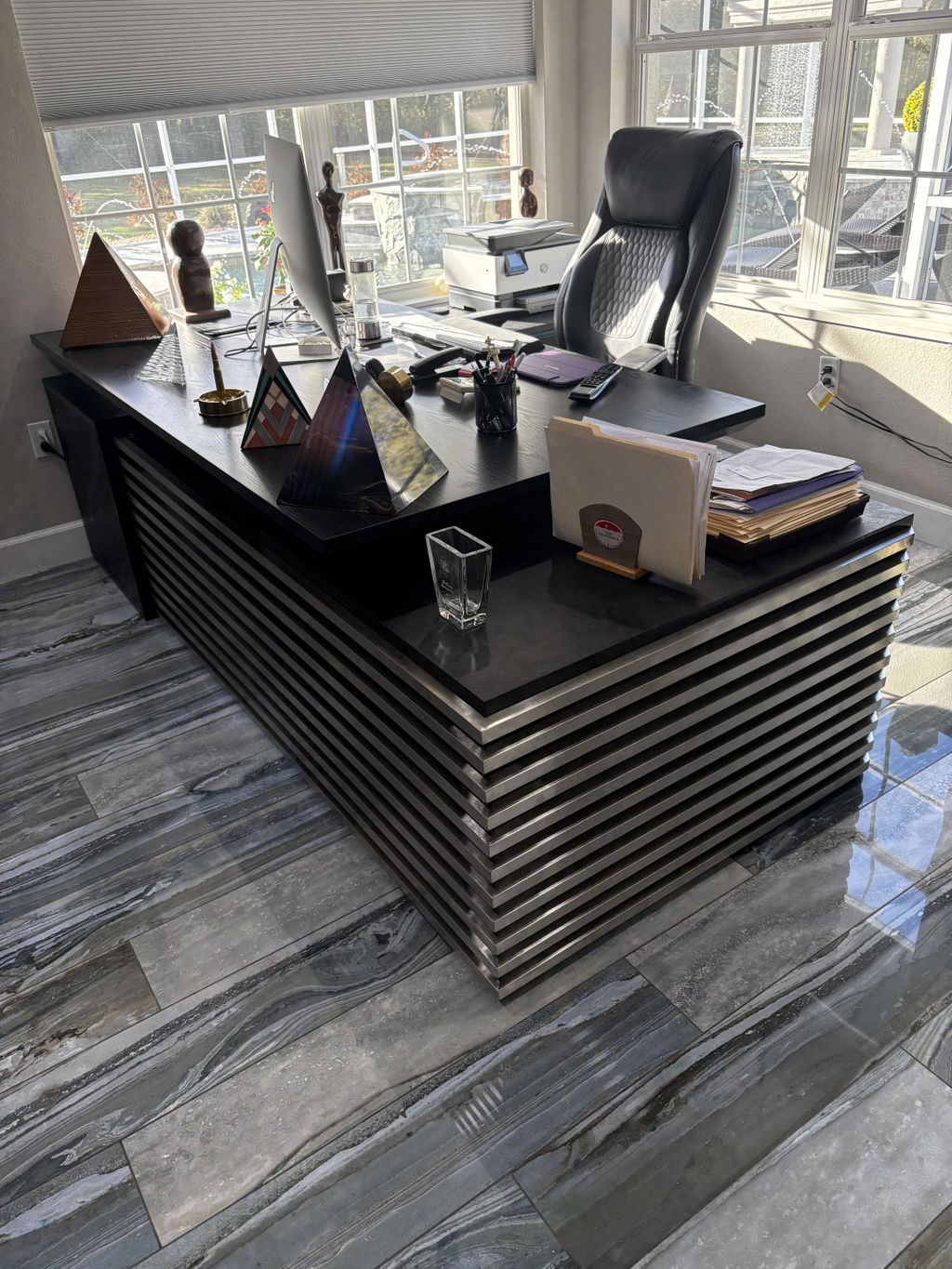
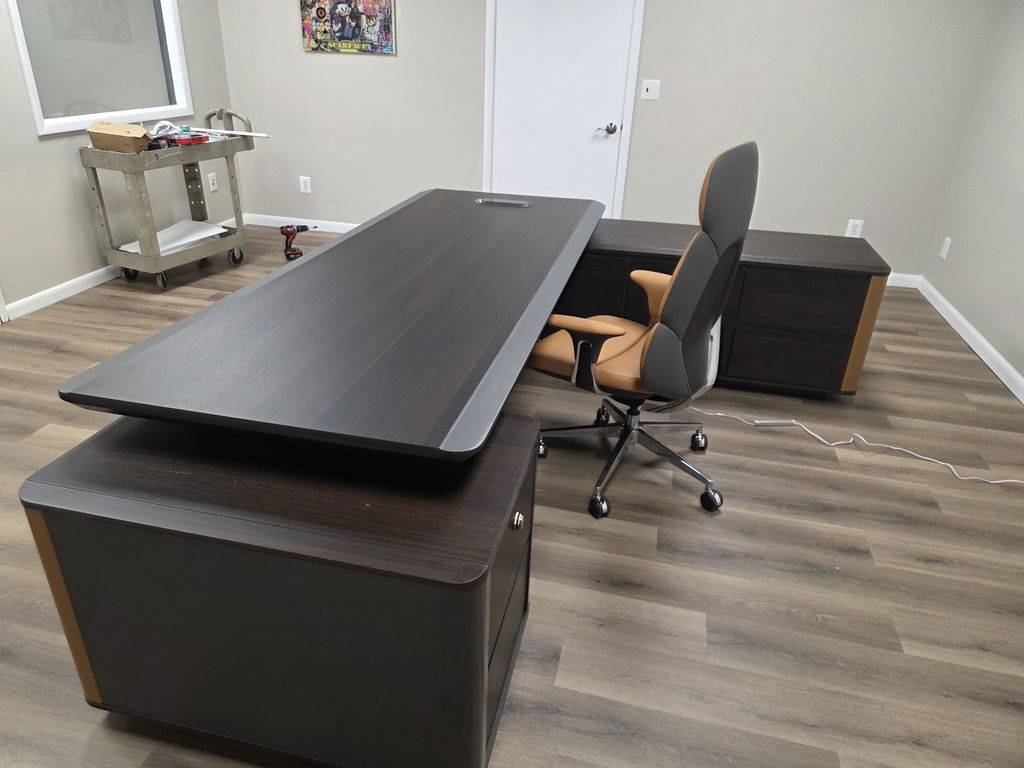
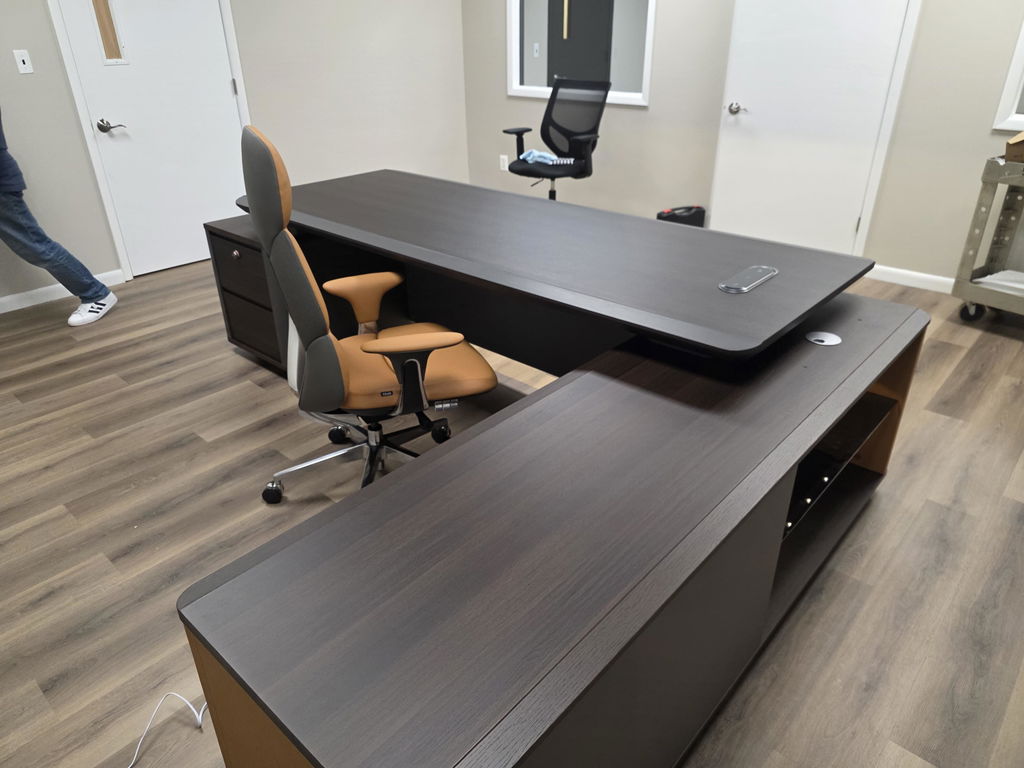
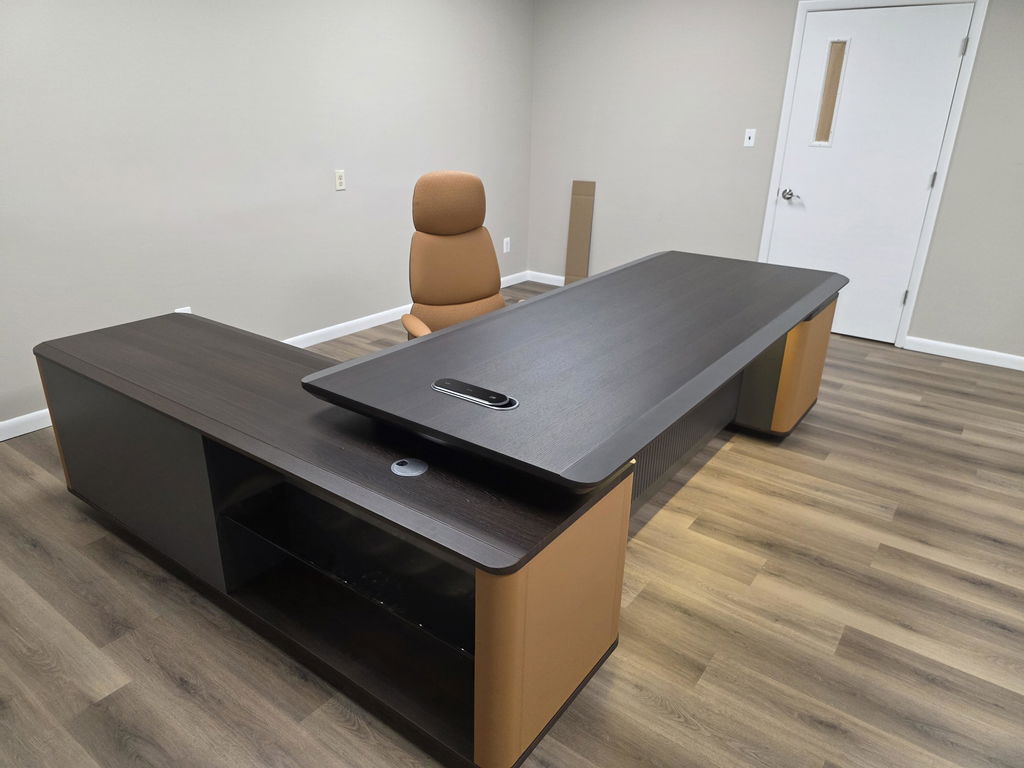
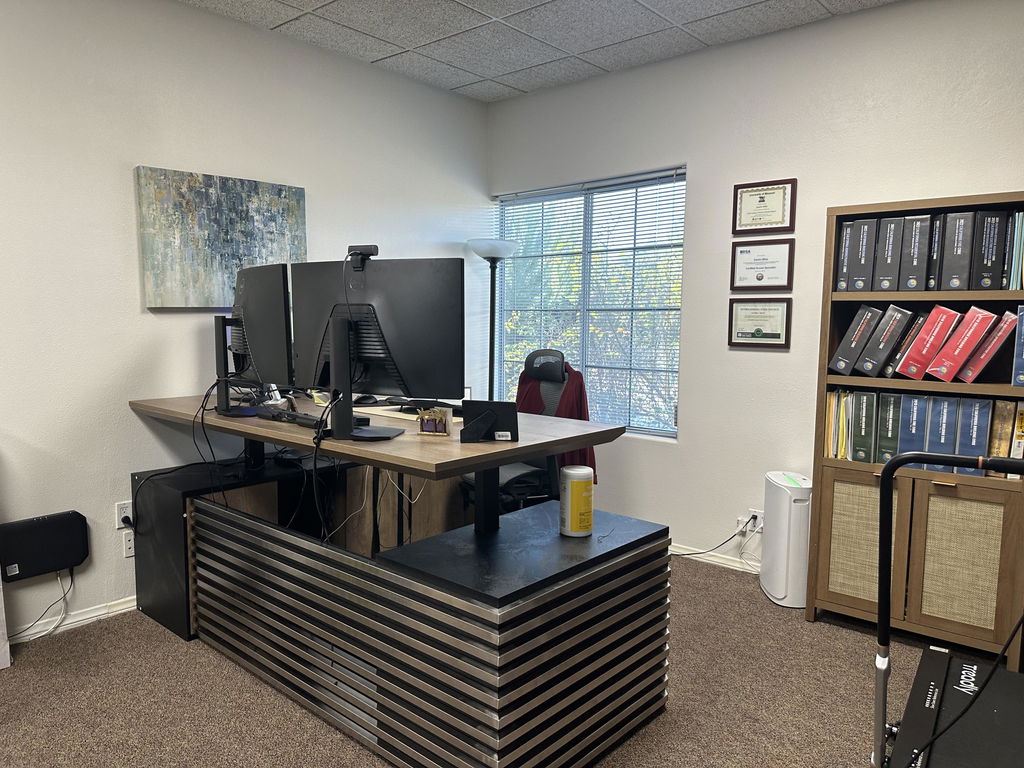
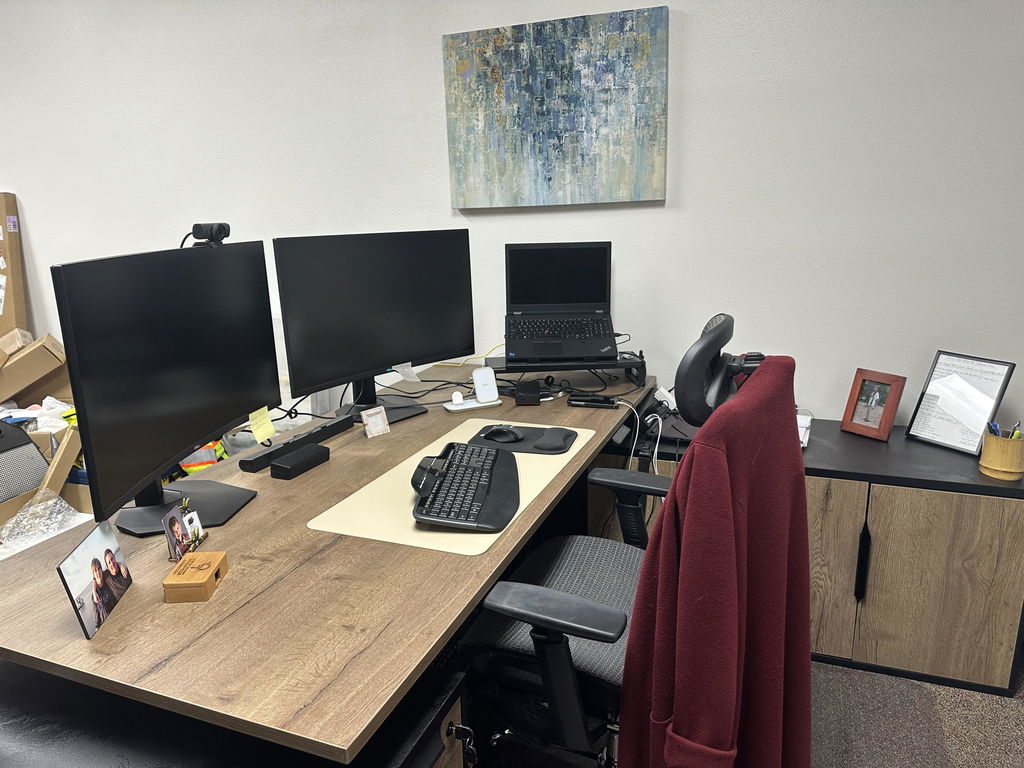
L-shaped cubicles provide dual-surface workspaces ideal for multitasking. Features: multi-surface areas that increase efficiency and more storage for work materials. Best for: professionals managing multiple projects, like managers or analysts. Set against the rectangular alternative in L-shaped vs rectangular cubicles.
U-shaped cubicles enclose the user with desk surfaces for an immersive workspace. They take more room but suit intensive work. Advantages: extensive desk area for equipment and a private, focused environment. Best for: executives or technical workers who need many resources close at hand.
Adjustable-height cubicles let employees switch between sitting and standing, supporting health and productivity. Highlights: they reduce the risks of prolonged sitting and improve focus through flexibility. Best for: employees who spend long hours at their desks.

Corner cubicles, often L-shaped, are compact and fit neatly into unused corners. With a single surface, they maximize limited office space while staying functional and tidy. Best for: smaller offices or flexible workspaces.
The right cubicle depends on your space, goals, and team — all of which affect productivity and morale. Weigh open layouts against more structured environments, keeping both collaboration and privacy in mind.
Your layout should reflect how the team actually works. Does it collaborate often? Lean open. Do some roles need quiet? Add focus zones. Want flexibility? Hot-desking and creative zones support dynamic work styles. Brainstorming-heavy roles benefit from open flow; detail-oriented work is better in private spaces.
As the team grows or changes, the cubicle setup should adapt. Modular panel systems reconfigure easily and suit evolving teams; fixed-frame cubicles are more permanent and suit stable, long-term layouts. If you grow quickly or restructure often, choose a system you can adjust without a complete redesign.
The right cubicle setup shapes how a team functions and feels. Whether you need open workstations for collaboration or private cubicles for focus, the right layout improves productivity, comfort, and room to grow. Explore Arc Grove®’s cubicle workstations — scalable options that can be tailored to your floor plan as your team evolves.
Related articles
Workstations & Cubicles
A workstation area people like balances space, privacy, and daylight. How to design an open-plan floor that supports both focus...
Read more →
Workstations & Cubicles
A workstation footprint runs 36 to 64 sq ft, but plan 50 to 125 sq ft per person with circulation,...
Read more →
Space Planning & Buying
Arc Grove backs every desk, table, cabinet, and shelf with the Office for Life warranty: lifetime structural cover, plus tiers...
Read more →