Space Planning & Buying
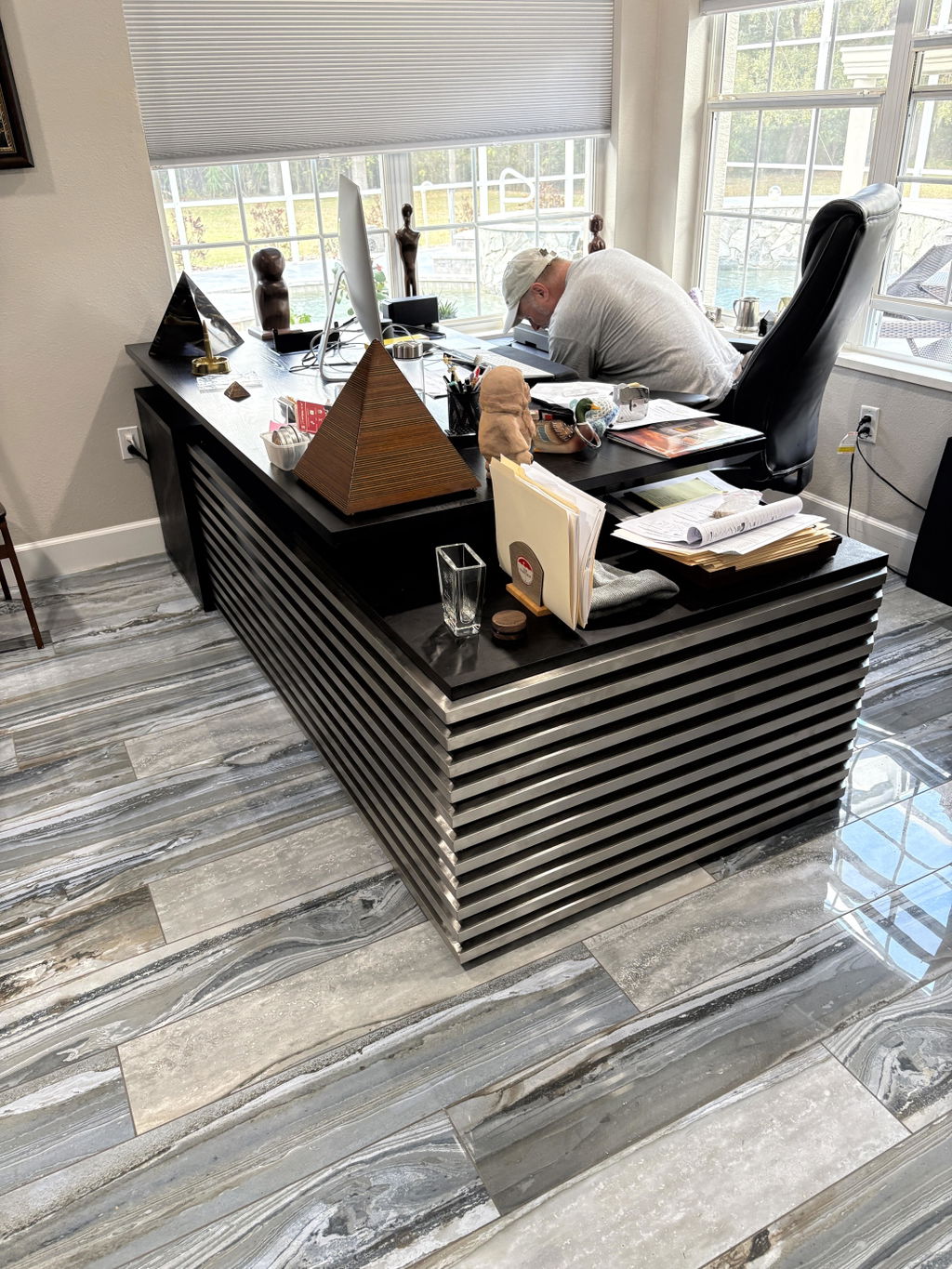
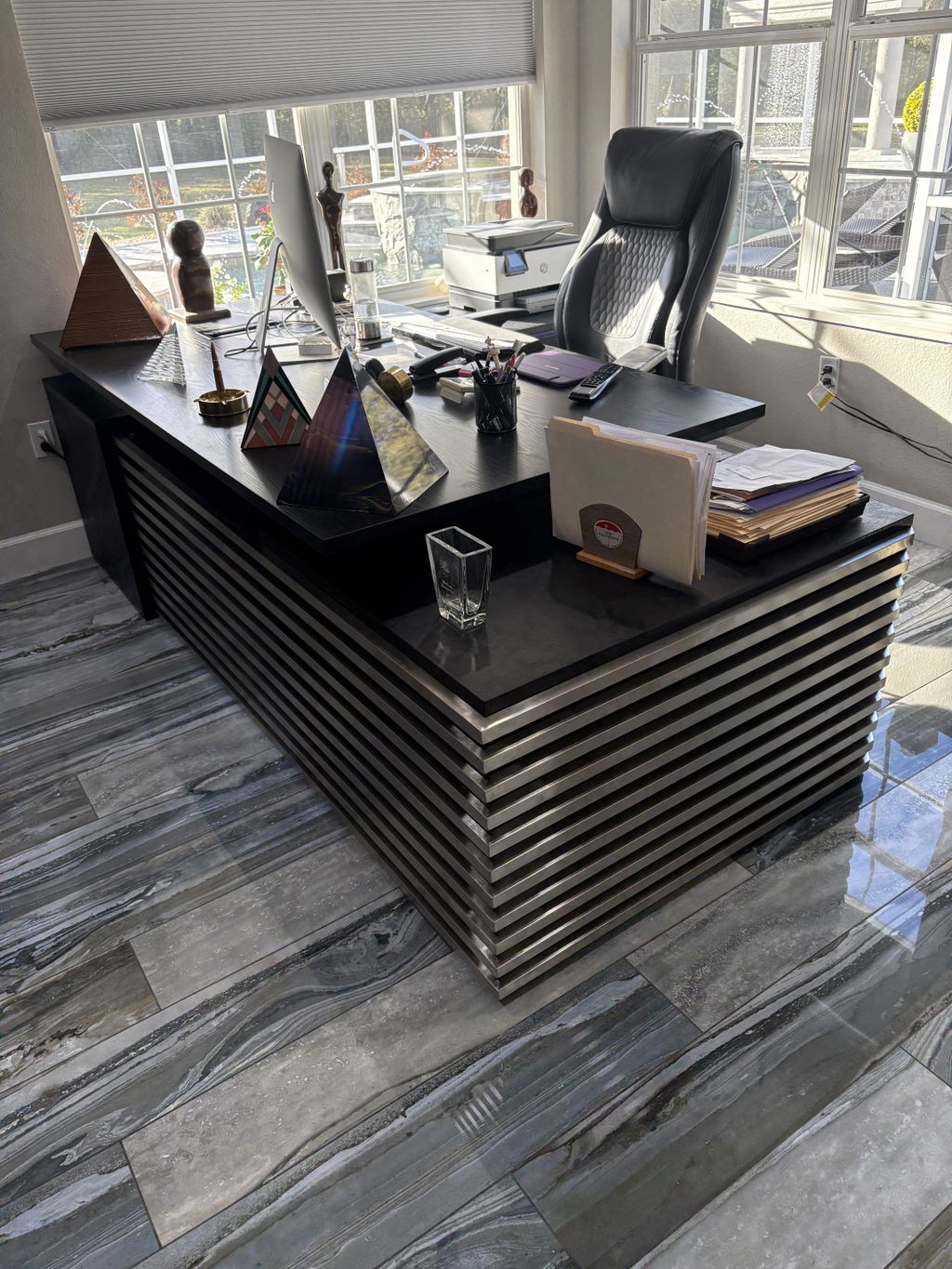
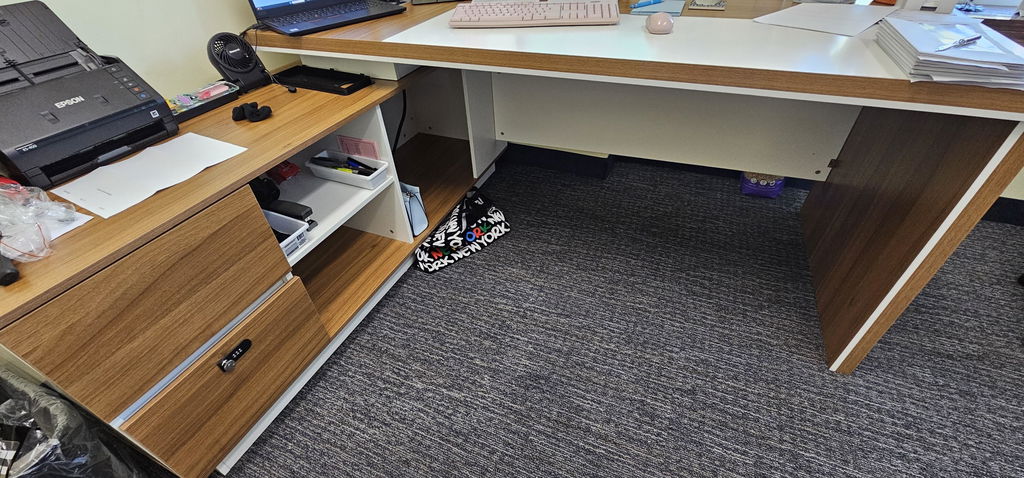
High-End Office Furniture: How to Judge Quality Before You Buy
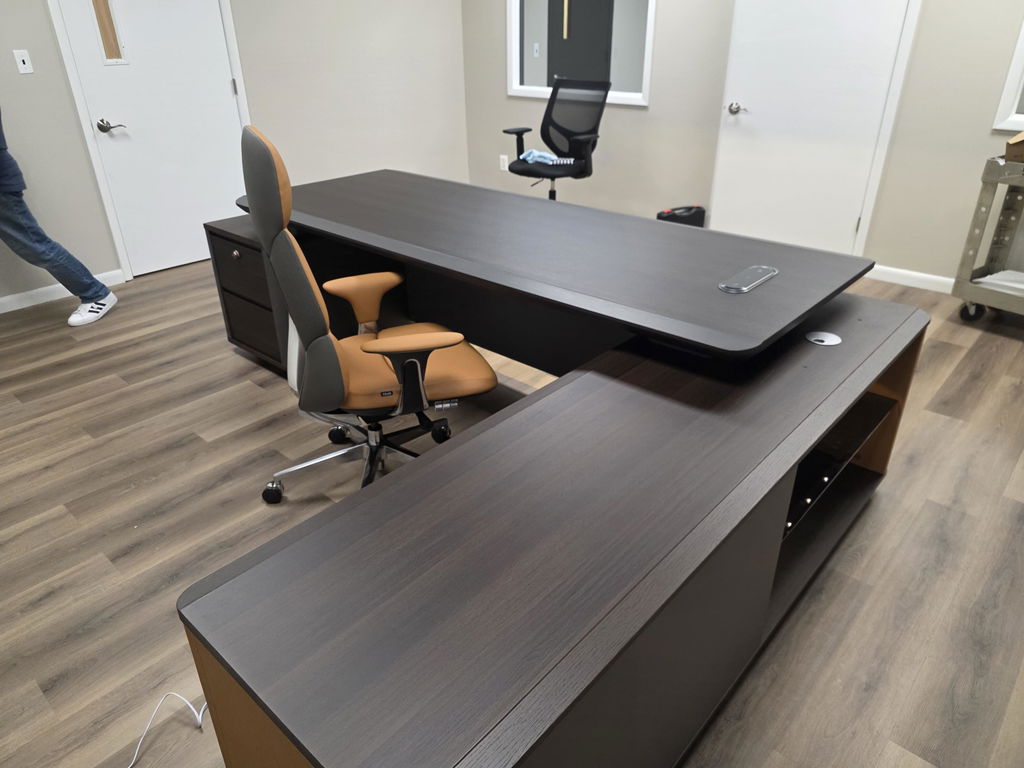
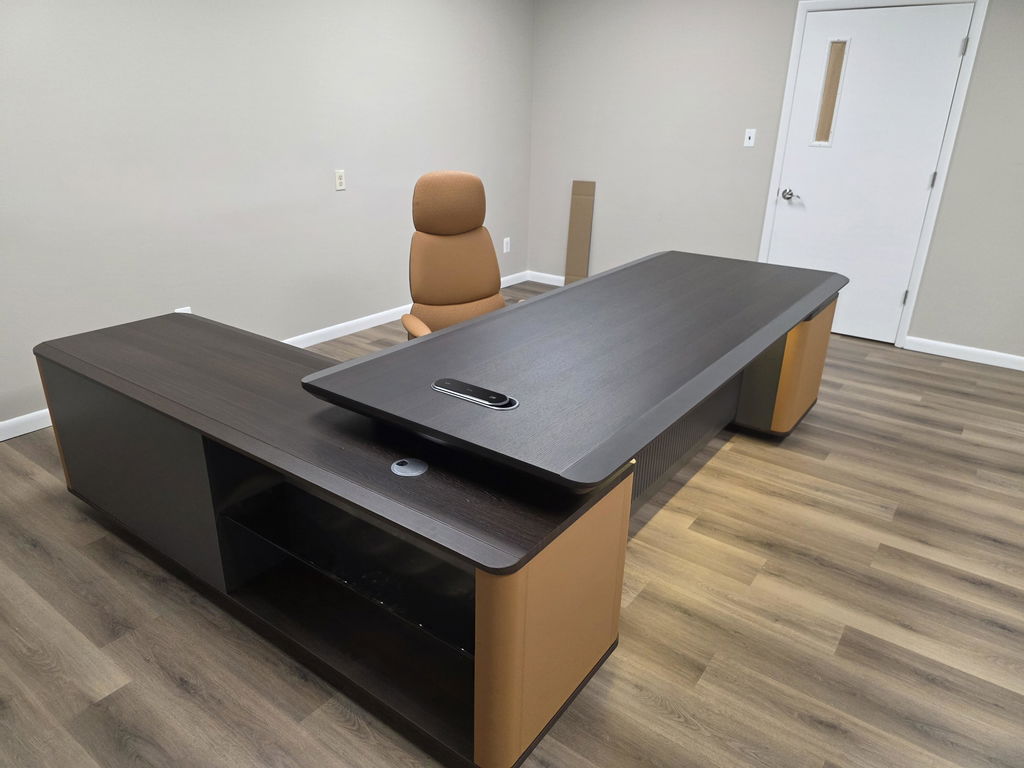
Six checks that work on any brand: the core, the surface, the edges, the hardware, the finish and the paperwork,...
Read more →
Lounge & Waiting Areas
Everyone who visits sits in the waiting room. What to look for in testing, upholstery and layout so the seating still looks right years from now.

Waiting room furniture lasts when it’s built and tested for public use: lounge seating tested to ANSI/BIFMA X5.4, fabric rated at least 30,000 double rubs, or leather that wipes clean. Choose a mix of arm chairs and sofas sized to your busiest hour, and keep 36-inch walkways so every seat is easy to reach.
Waiting room seating takes constant, varied use. Different people sit, shift and stand all day, so construction and upholstery decide how it looks in five years, before style does.
ANSI/BIFMA X5.4 is the American National Standard for public and lounge seating. It sets static, dynamic and durability tests for seating in waiting areas, reception and similar spaces. The 2020 edition, reaffirmed in 2025, raised the test basis weight to 275 pounds (BIFMA). When you compare pieces, ask which standard each was tested to.
For fabric, the Association for Contract Textiles sets the abrasion floor for high-traffic public seating at 30,000 double rubs on the Wyzenbeek test (ASTM D4157). On the Martindale test (ASTM D4966), it’s 40,000 cycles. The two tests don’t convert into each other, so compare like with like.
Leather sidesteps the abrasion question. Faux leather wipes clean with a damp cloth, which suits clinics and rooms with high turnover. Genuine leather breathes, cleans and conditions, and develops a patina with use. Of our 43 lounge models, 31 come in faux leather and 29 in genuine leather, and many offer both.
Upholstery for waiting rooms
| Upholstery | Care | Suits |
|---|---|---|
| Fabric, 30,000+ double rubs | Vacuum and spot-clean | Offices with steady, moderate traffic |
| Faux leather | Wipe clean | Clinics and high-turnover rooms |
| Genuine leather | Clean and condition | Professional offices and executive waiting areas |

Arm chairs suit most visitors. Arms help people sit down and stand up, and single seats let strangers keep their distance. Add a 2- or 3-seater sofa for couples and families, and a conversation set where clients arrive together.
Our range covers arm chairs, 2-, 3- and 4-seater sofas, and conversation sets of a 3-seater with two chairs, so one model can furnish a whole room in a single finish.
To size the room, start from your busiest hour. No published standard sets a seat count for waiting rooms. Count the most people who wait at the same time on a busy day, add the companions who come with them, and plan that many seats. A practice that runs on appointments needs fewer seats than one that takes walk-ins.
For example, if six visitors overlap at your busiest hour and half bring someone, plan nine seats: four arm chairs, a 3-seater and a 2-seater.

Keep walkways at least 36 inches wide, the minimum for accessible routes in the 2010 ADA Standards (§403.5.1). Beside the seating, leave a clear 30 × 48 inch space for a wheelchair, the clear floor space §305 sets.
Group seats in small clusters along the walls and leave the center open. Visitors then reach a seat without crossing anyone, and staff can see the room from the desk.
Browse all lounge seating to furnish the room in one finish.
Related articles
Space Planning & Buying
Six checks that work on any brand: the core, the surface, the edges, the hardware, the finish and the paperwork,...
Read more →
Executive Desks & Offices
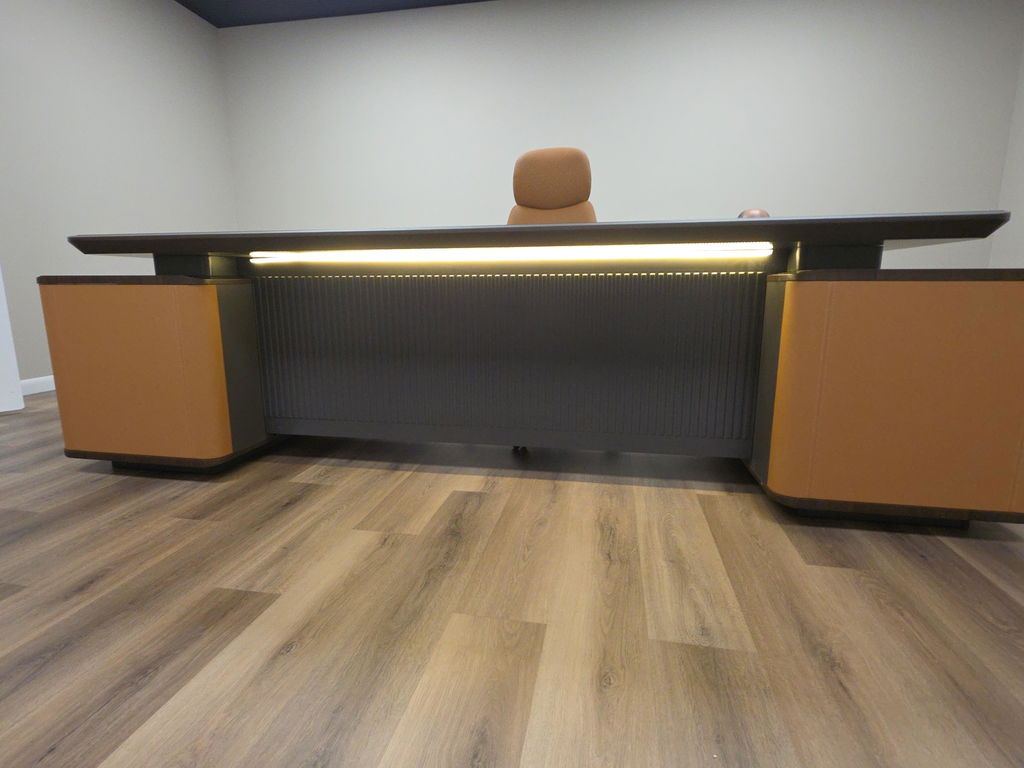
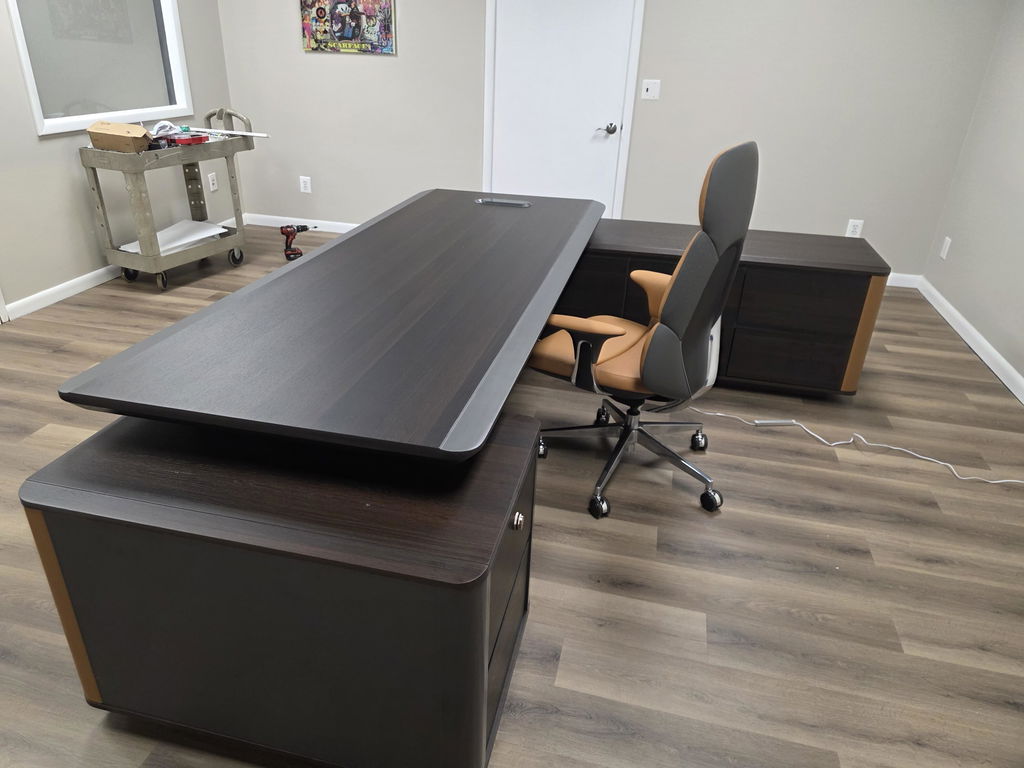
Material, scale and craft separate a luxury home office from a well-furnished one. How to choose the desk surface, size...
Read more →
Storage & Shelving
A sideboard and a buffet are the same dining piece; a credenza is the office version. How the five storage...
Read more →