Ideal Reception Desk Dimensions for Any Office: A Guide
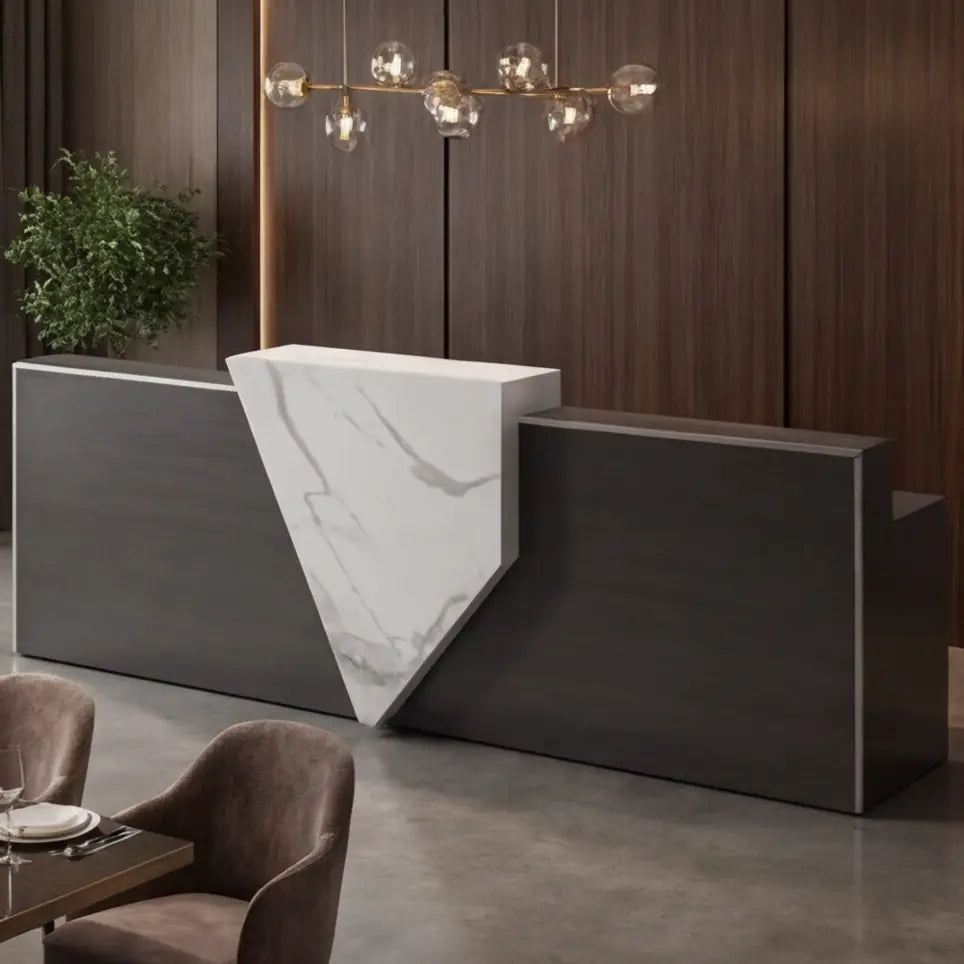
A reception desk’s seated work surface sits 28 to 34 inches high, while the front transaction counter stands 40 to 42 inches. Width runs 60 to 72 inches for a single station and past 90 inches for multi-person lobbies, at a depth of 24 to 30 inches. Where the public is served, an ADA-accessible counter section must be no higher than 36 inches.
The reception desk shapes how professional and welcoming an office feels. Get its proportions right and the area stays functional, comfortable for staff and visitors, and visually organized. Here is how to dial in the ideal dimensions — balancing style, efficiency, and comfort.
Understanding reception desks
A reception desk sets the tone for the whole office. It has to be both functional and stylish: fit the space, hold essential equipment, and stay comfortable for staff and guests alike.
Types of reception desks
- Straight desks — simple and space-saving. Ideal for compact areas.
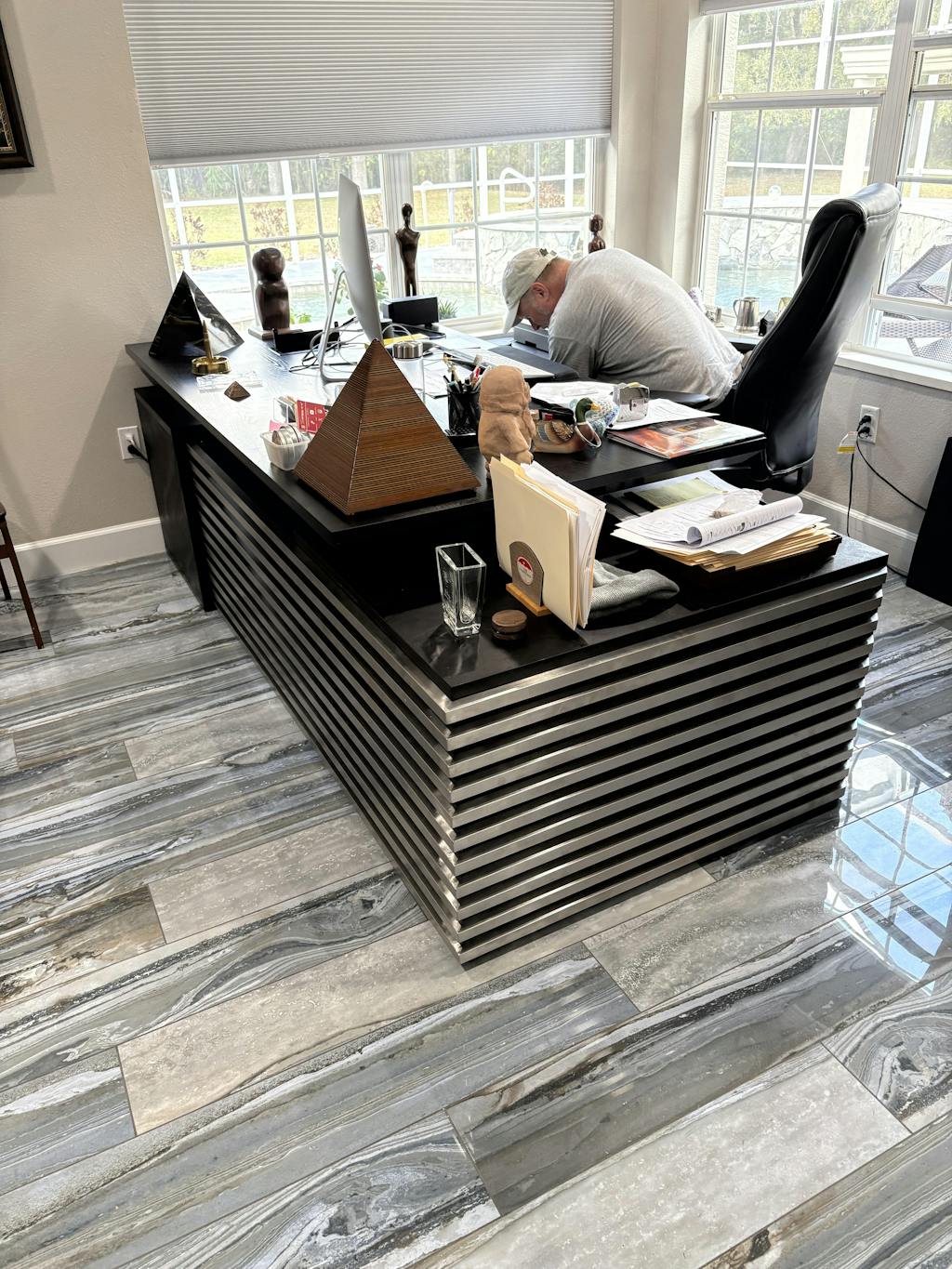
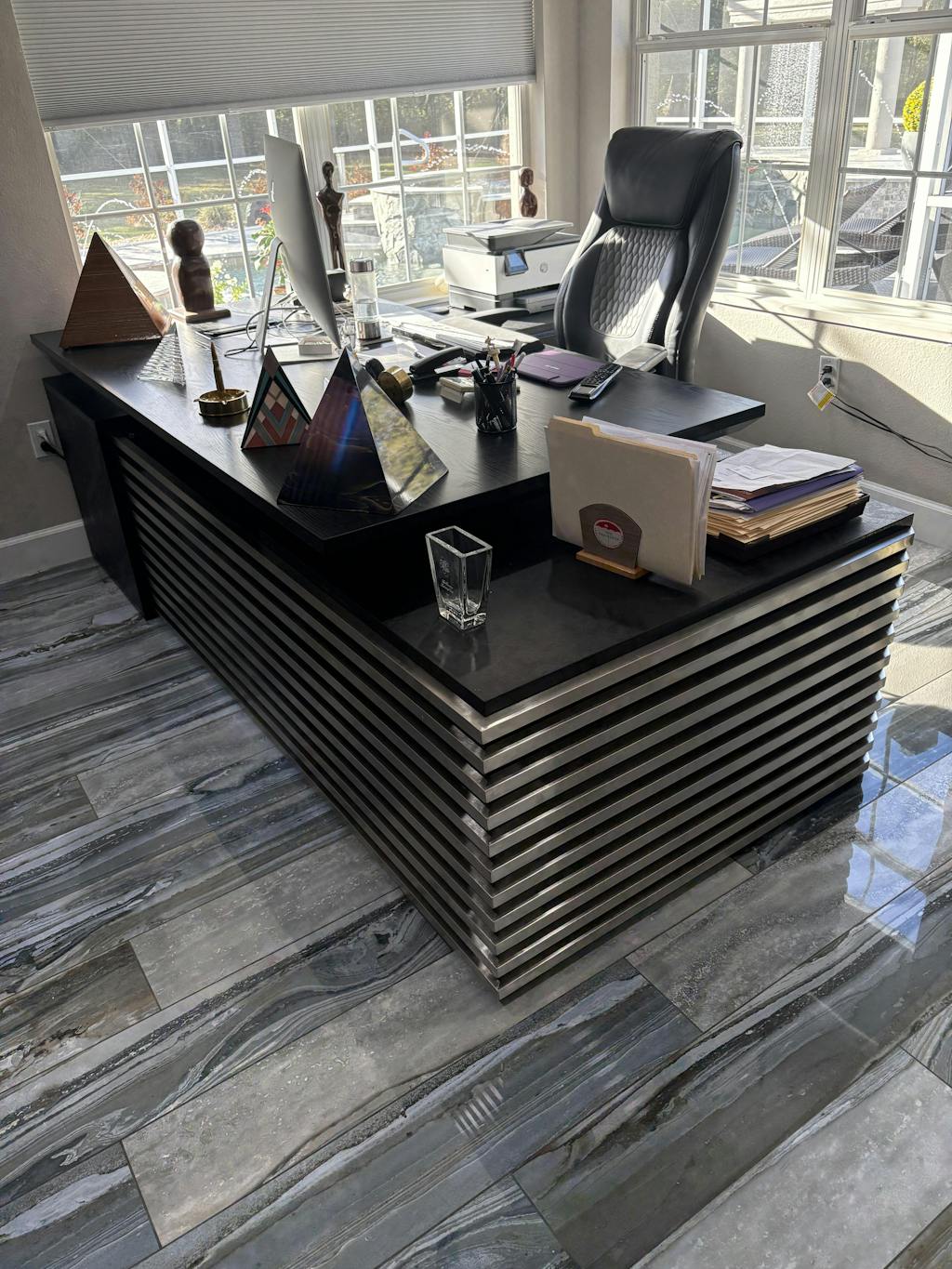
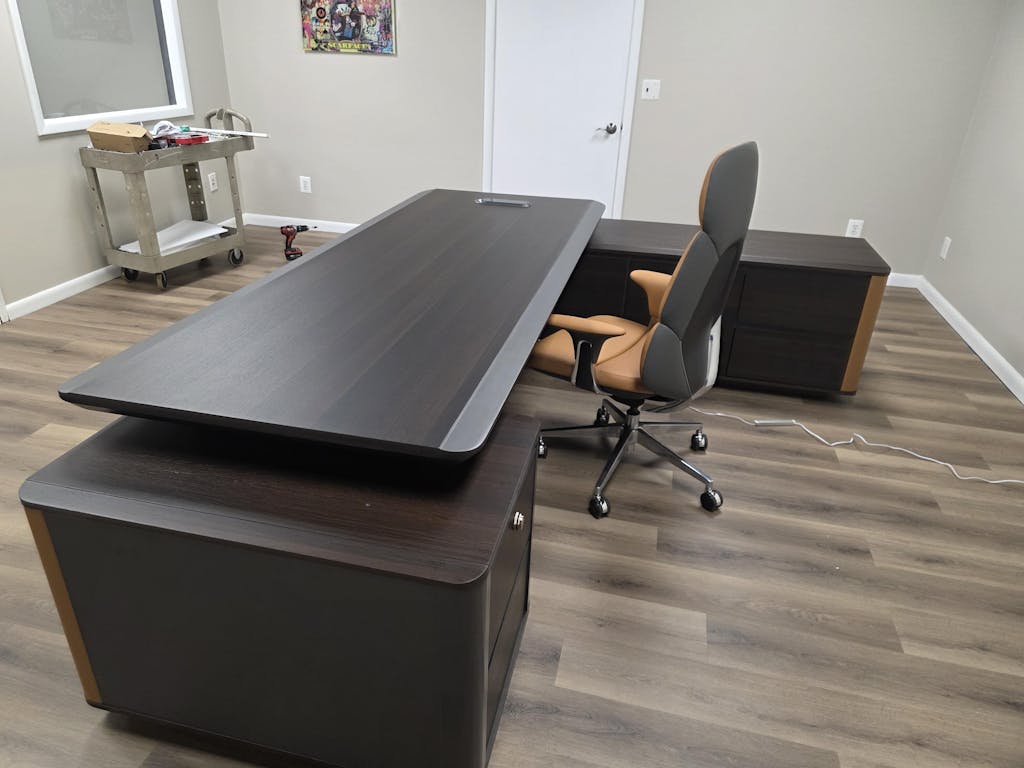
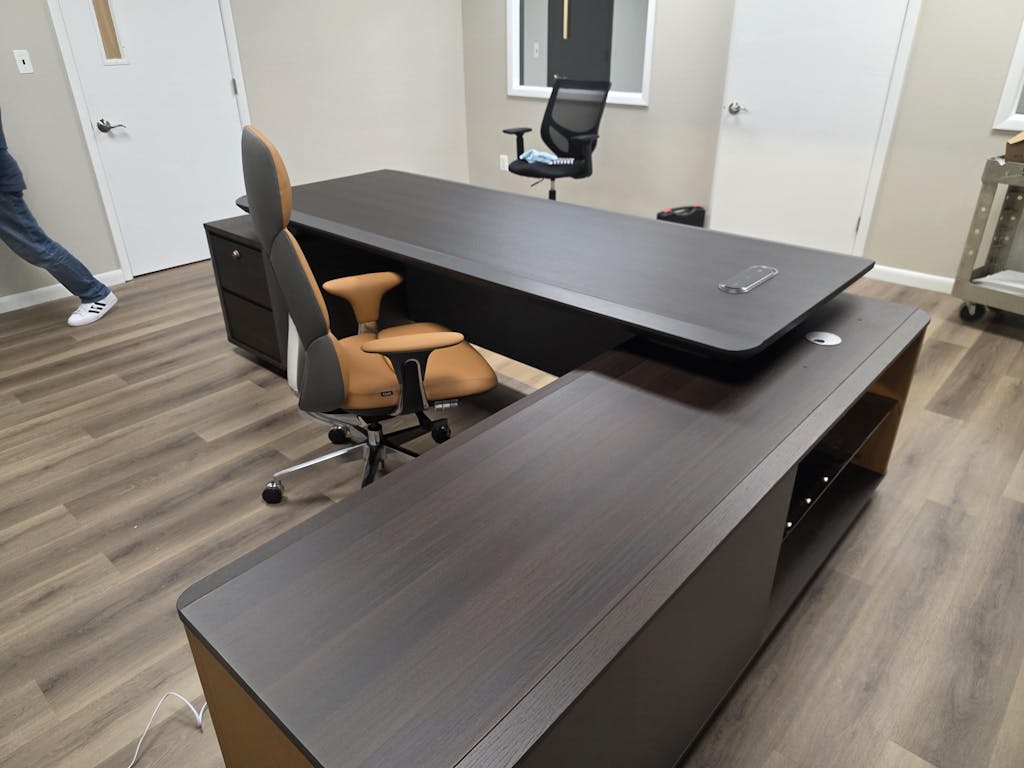
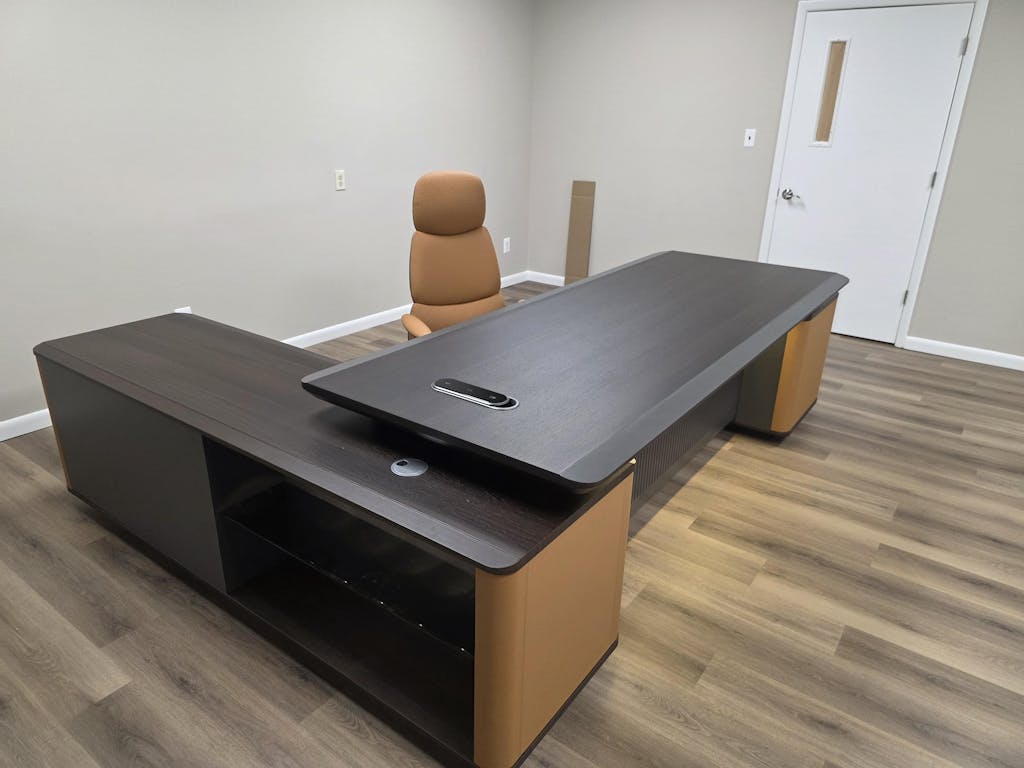
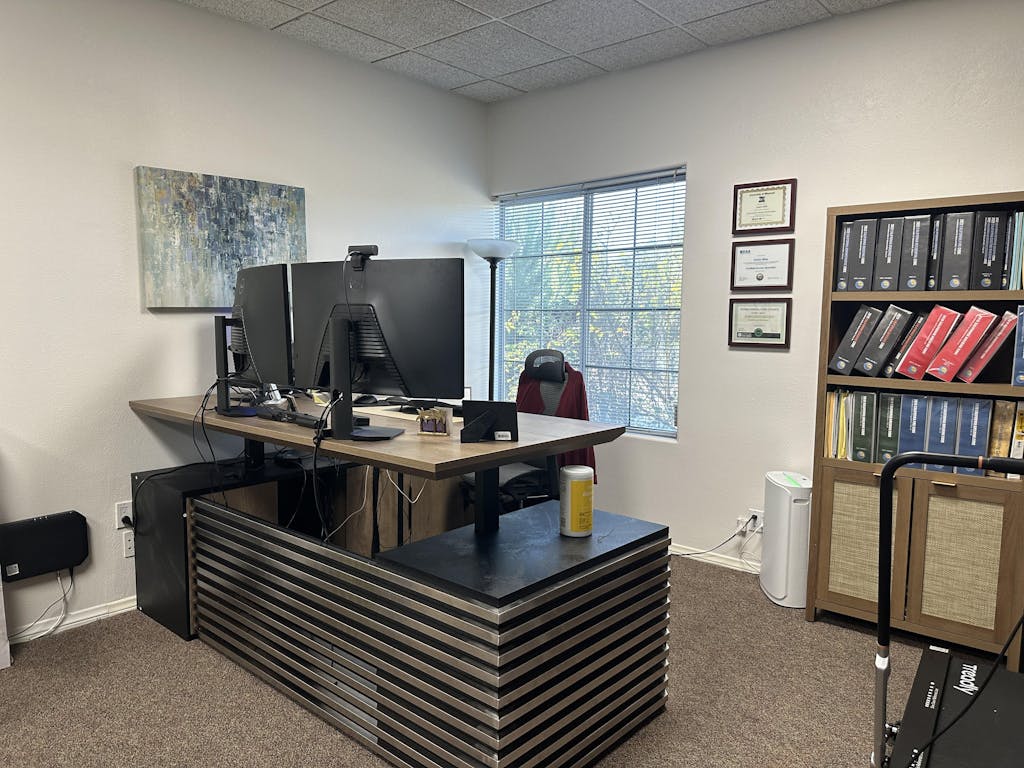
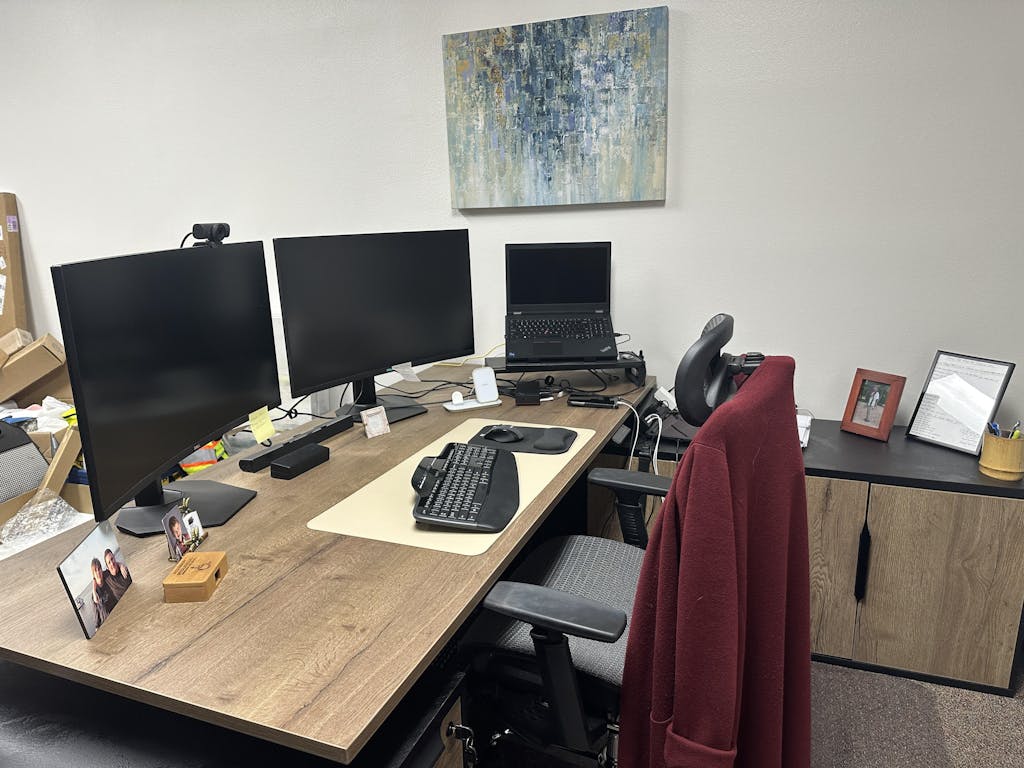
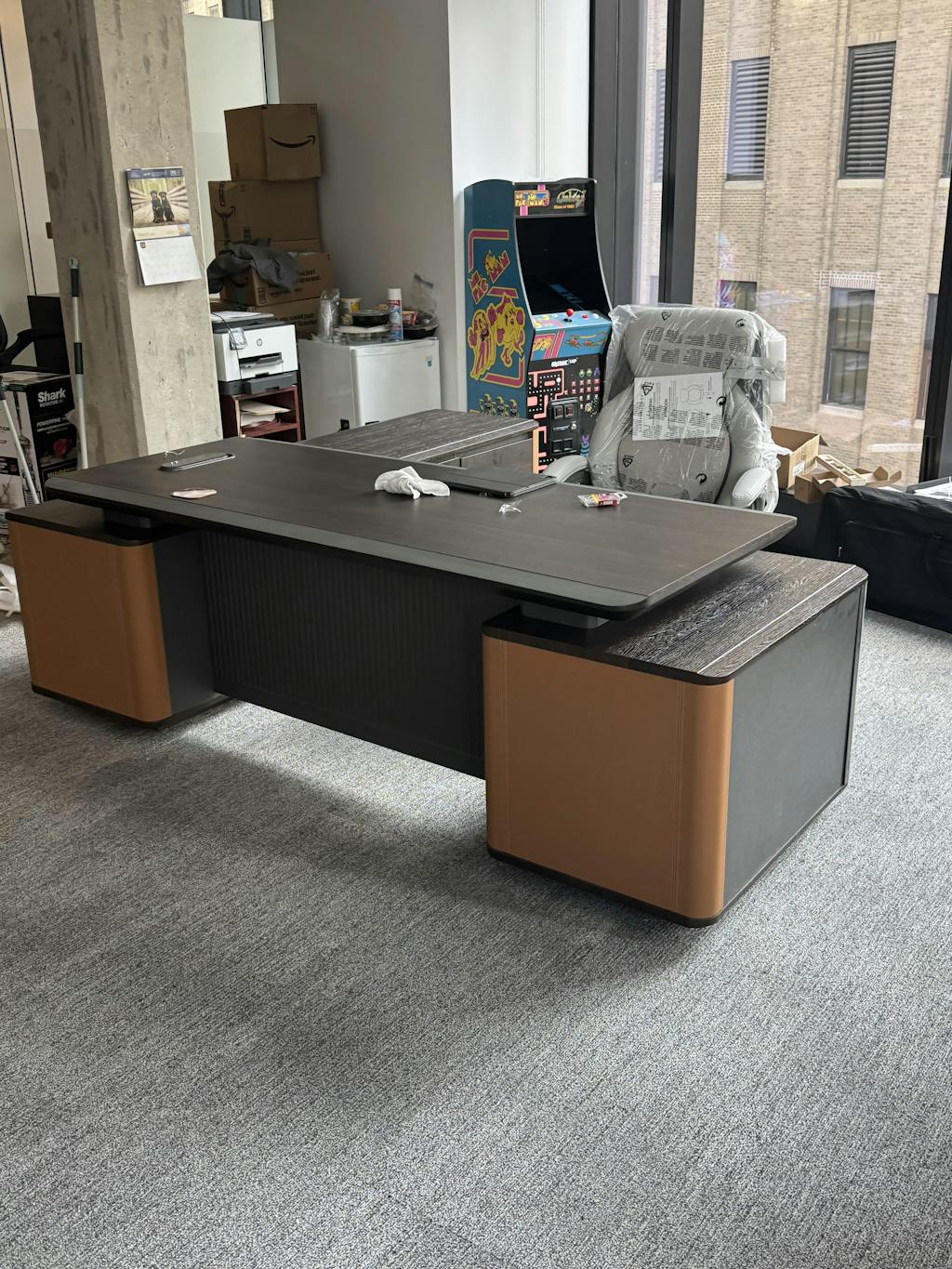
- L-shaped desks — extra workspace and storage. Best for busy receptions.
- U-shaped desks — maximum room for multitasking and multiple staff.
- Modern desks — sleek glass-and-metal designs for a contemporary look.
Match the desk to your available space, workflow needs, and design aesthetic.
Why reception desk height and dimensions matter
Height and footprint decide whether the space works or fights you. Three things to nail:
- Ergonomic comfort — the front counter typically runs 40 to 42 inches, serving standing visitors while a 28-to-34-inch surface behind keeps the receptionist comfortable.
- Visitor accessibility — the counter height must allow easy interaction between a seated receptionist and standing guests.
- Aesthetic harmony — proportions, finish, and footprint should complement the room’s overall design.
Standard reception desk dimensions
Three numbers drive every decision: height, width, and depth.
Height considerations
- Seated work surface (back of desk): 28 to 34 inches
- Standing counter (front of desk): 40 to 42 inches
- ADA-accessible transaction counter: 36 inches high maximum, over a section at least 36 inches long
Width and depth
Width — standard reception desks range from 60 to 72 inches, with larger formats extending past 90 inches for multi-receptionist setups.
Depth — typically 24 to 30 inches: enough for monitors, phones, and paperwork without dominating the floor.
Reception desk dimensions at a glance
| Dimension | Standard range | Best for |
|---|---|---|
| Seated desk height | 28–34 inches | Comfortable seated work for the receptionist |
| Standing counter height | 40–42 inches | Standing visitor interactions at the front counter |
| ADA-accessible counter | 36 inches max, 36 inches long min | Wheelchair users and all guests |
| Width | 60–72 inches (90+ for multi-staff) | Computers, phones, paperwork, signage |
| Depth | 24–30 inches | Adequate workspace without crowding the floor |
At a sales or service counter, an accessible section must be no higher than 36 inches. A parallel (side) approach needs at least 36 inches of accessible length; a forward approach needs at least 30 inches of length with knee and toe clearance underneath.
U.S. Access Board — 2010 ADA Standards §904.4

How to choose the best reception desk

The right reception desk fits your space, supports daily tasks, and accommodates your team. Three factors decide it.
1. Office space and layout
Measure first. A desk that is too large overwhelms the room; one that is too small cannot hold the work.
- Measure your space — get accurate dimensions before specifying.
- Match the room — the desk’s style should align with the rest of your office.
Then pick the right shape:
- Straight desks — clean, simple, smallest footprint.
- Corner desks — efficient for compact layouts.
- Curved desks — high-end and inviting, with more usable surface; a curved reception desk also softens sightlines at the front counter.
2. Functionality and storage
A reception desk has to support efficiency, not just hold a phone. Look for:
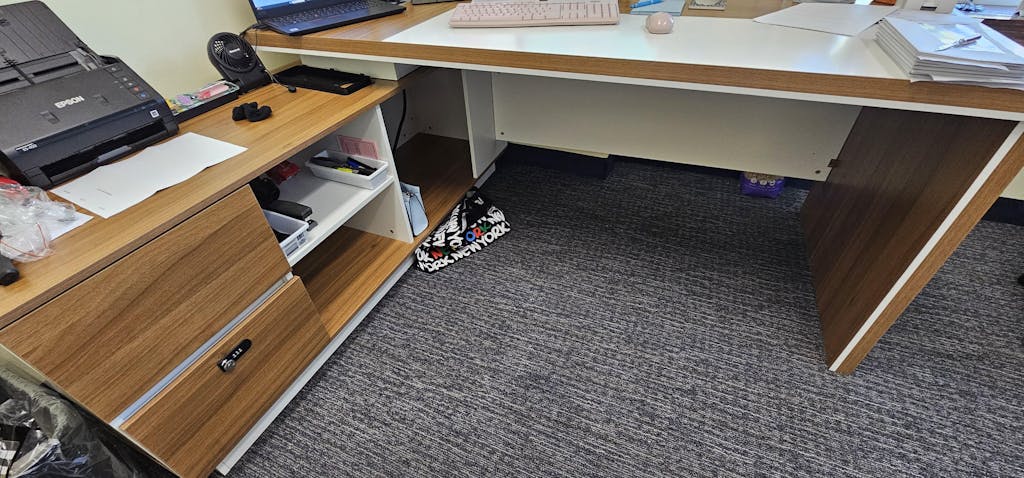
- Built-in storage — drawers, shelves, or cabinets for documents, supplies, and personal items.
- Cable management — built-in routing keeps wires hidden and the surface clean.
- Work-surface space — room for a computer, phone, paperwork, and anything else the receptionist uses daily.
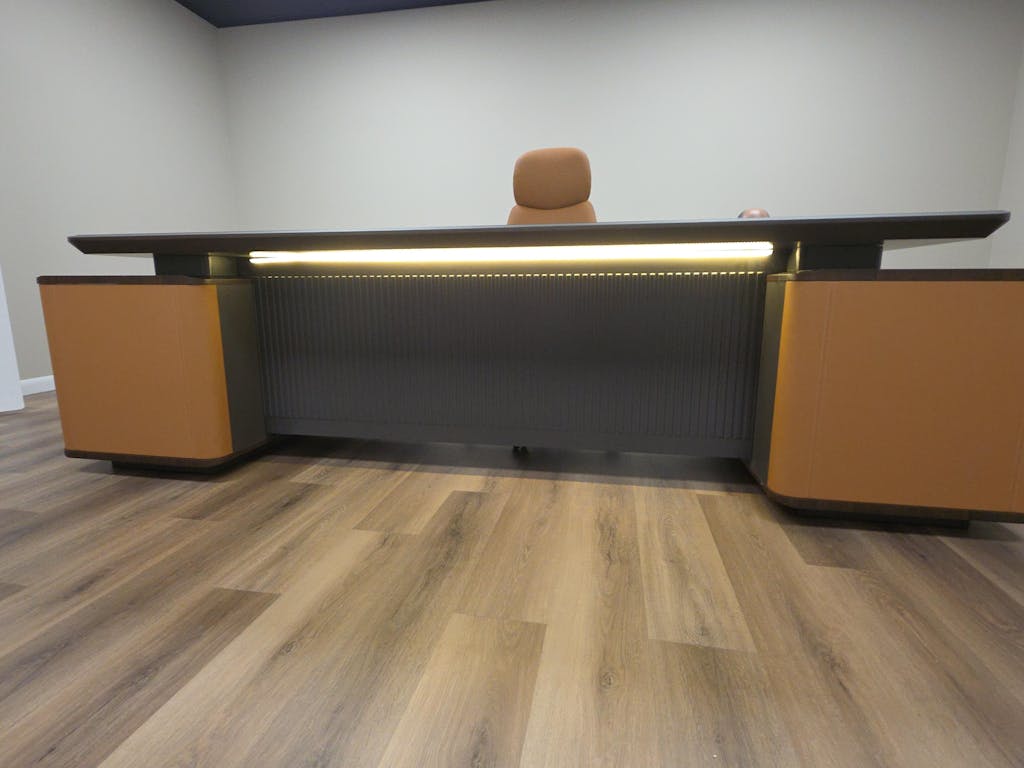
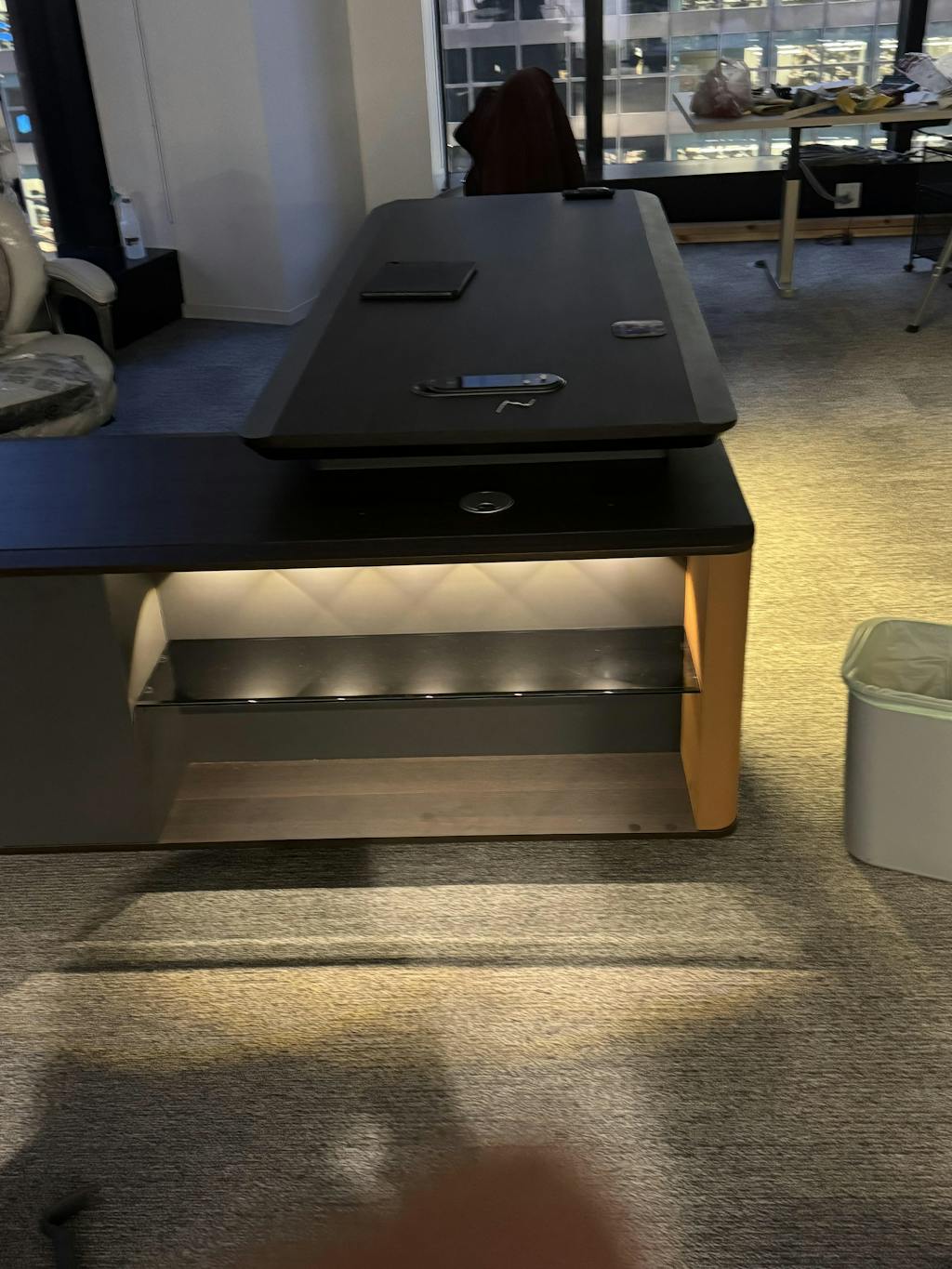
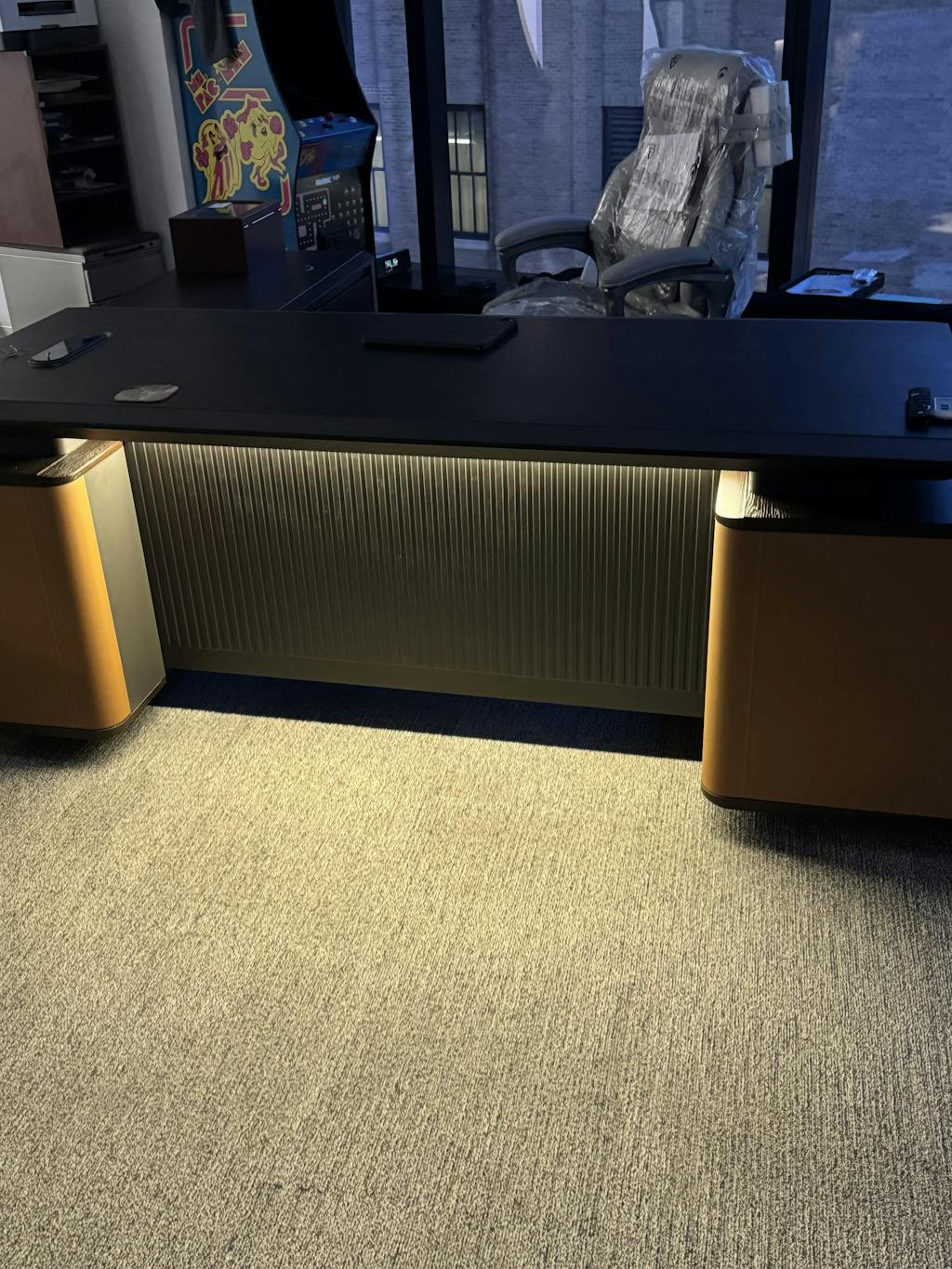
Good design cuts clutter and supports productivity — the desk should disappear behind the work. Integrated lighting helps too: a reception desk with LED lighting sets a warm tone at the entry.
3. Number of receptionists
Size the desk to your headcount, current and projected.
- Single receptionist — a compact desk with core storage is enough.
- Multiple receptionists — multi-workstation desks with separate work zones and shared storage.
- Future expansion — modular or adaptable desks if the team will grow, so you do not buy twice.
Choosing the right material

Material drives look, durability, and maintenance. Three main options.
1. Wood — classic and professional
- Elegant and timeless — best for executive and traditional settings.
- Durable — hardwoods like oak or mahogany hold up better than softwoods.
- Higher maintenance — scratches, dents, and water marks need periodic polishing.
- Versatile finishes — stains and tones to match any office, from a warm light woodgrain to deep walnut.
2. Laminate — affordable and low-maintenance
- Budget-friendly — a cost-effective alternative to solid wood.
- Scratch- and stain-resistant — built for busy environments.
- Easy to clean — minimal upkeep, high-traffic-ready.
- Design variety — wood-look patterns, solid colors, and clean white matte finishes.
3. Glass — modern and sleek
- Open, high-end look — best for contemporary aesthetics.
- Higher cleaning frequency — fingerprints and smudges show fast.
- Use tempered glass — stronger and safer than standard.
- Mixes well — pairing glass with wood, metal, or a white marble base reads more refined.
In short: wood adds warmth but needs upkeep; laminate is durable and budget-friendly; glass reads modern but demands frequent cleaning. Choose on style, maintenance bandwidth, and traffic level.
Functional features to consider

A well-designed reception desk supports efficiency through three feature categories: storage, cable management, and technology.
1. Storage
- Drawers — stationery and supplies.
- Shelves — books, binders, frequently used materials.
- Cabinets — larger items kept out of sight.
Combine all three for clean access without visible clutter.
2. Cable management
- Built-in outlets or channels — conceal and organize power cords.
- Wire routing — prevents tangles and tripping hazards.
- Easy-access power — quick connection for devices.
3. Technology integration
- Dedicated equipment zones — space for computers, phones, and devices.
- Built-in outlets and USB ports — support modern office needs.
- Adaptable design — room for future upgrades without replacing the desk.
Smart storage, organized cables, and tech-ready features make a reception space that is functional and professional.
Final thoughts
Reception desk dimensions are about more than size — they shape a functional, welcoming space that fits how your office actually works. Get height, width, depth, and shape right, and the reception area makes a strong first impression while staying comfortable for everyone who uses it. And if a standard size does not fit your space, any reception desk here can be built to your exact dimensions.
Frequently asked questions
- What is the ideal height for a reception desk?
- The standing-height front counter typically runs 40 to 42 inches — comfortable for standing visitors and tall enough to give the receptionist some privacy. Some designs push to 48 inches for added privacy or a stronger statement. The seated work surface behind should stay 28 to 34 inches.
- How wide should a reception desk be?
- Standard reception desks are 60 to 72 inches wide. Larger formats run 90 inches and beyond for multi-receptionist setups or high-traffic lobbies. A single desk at 48 inches works for tight footprints but limits monitor and paperwork space.
- How much space does a reception area need?
- As a planning rule of thumb, designers often allow about 20 square feet per seated visitor and at least 80 square feet for the reception zone overall — enough for the desk plus a few waiting guests. Treat these as industry convention rather than code; the only binding figure is the fire-code occupant load for the room.
- What materials are best for high-traffic reception areas?
- Laminate, metal, and tempered glass hold up well and clean easily. Wood and high-quality veneers also last if you commit to periodic polishing — they read more upscale than laminate but ask for more care.
- How tall is a commercial reception desk?
- Commercial reception desks match the standard 40-to-42-inch front counter height, balancing accessibility for visitors with privacy for the receptionist’s monitor and paperwork.
- What are the ADA guidelines for a reception desk?
- Provide at least one accessible counter section no higher than 36 inches: at least 36 inches long for a parallel approach, or at least 30 inches long with knee and toe clearance for a forward approach. Keep the desk clearly visible from the entry without blocking the path, and leave open floor in front so visitors can approach comfortably. See our office furniture ADA compliance guide for the full requirements.
Other Articles
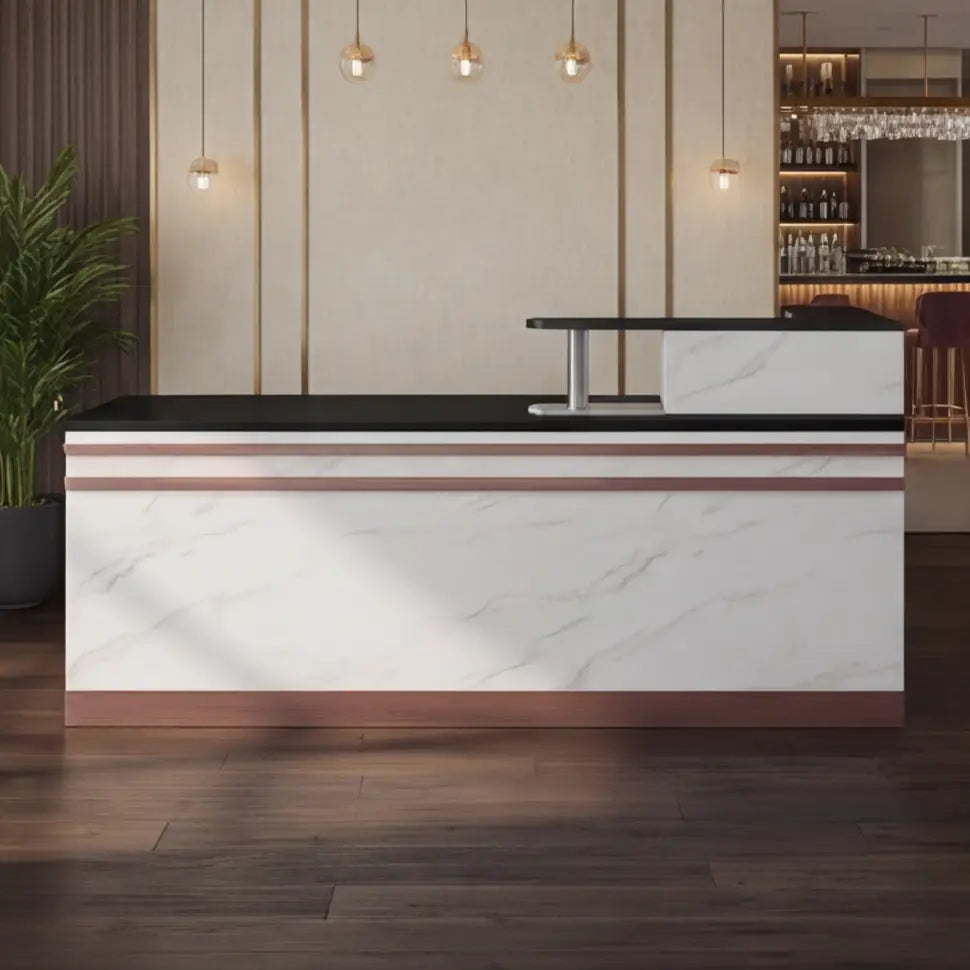
15+ Reception Desk Design Ideas from Arc Grove
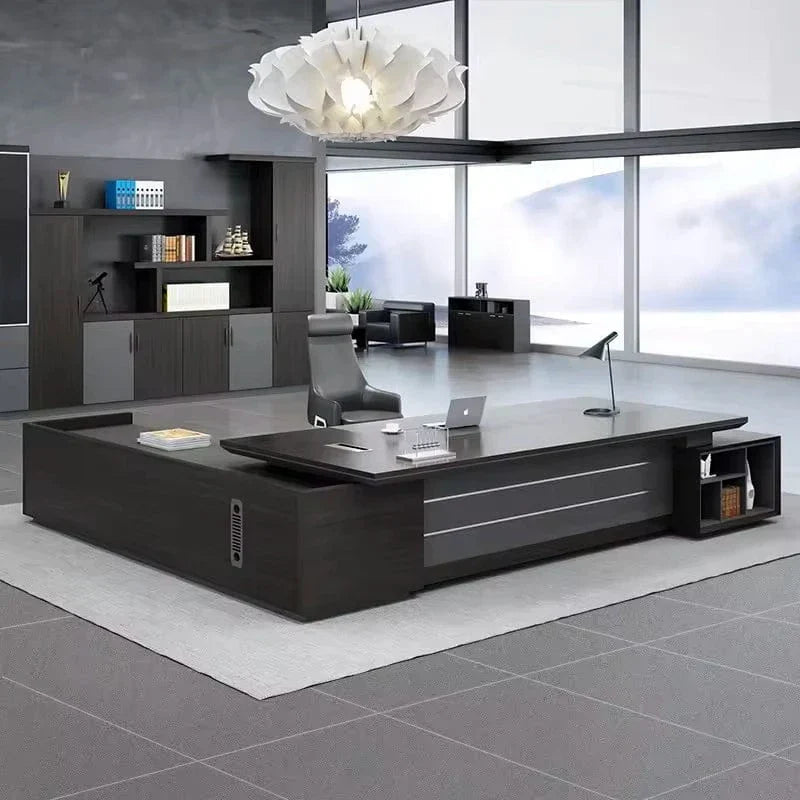
Top 10 Best L-Shaped Desks for Your Office
Modular Office Furniture: Smart Workspace Solutions